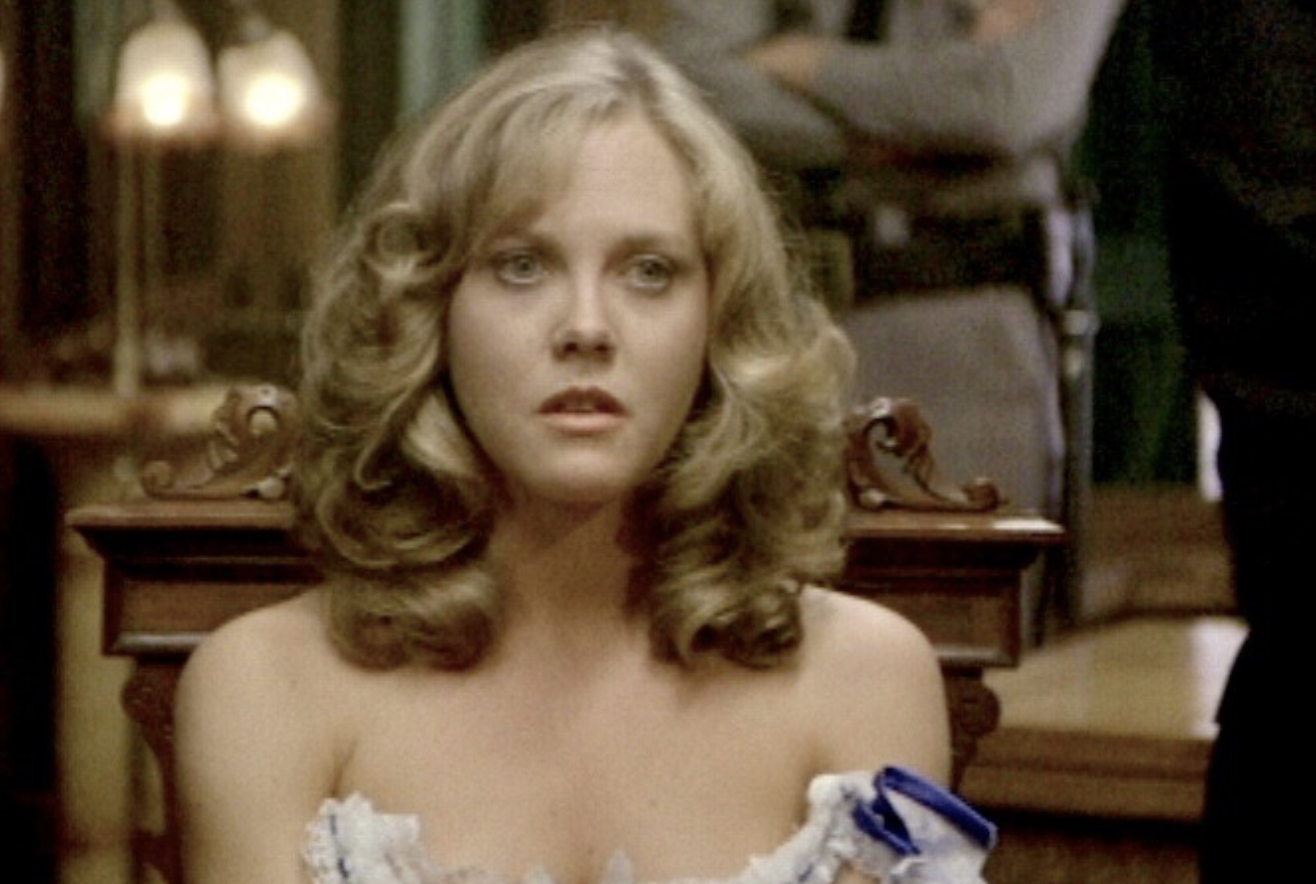
Yvette Dugay (born Audrey Lee Pearlman, June 24, 1932 – October 14, 1986) was an American actress whose career spanned four decades, beginning in infancy and continuing through the early years of television. Often credited as Yvette Duguay, she was known for her emotional depth and for roles that capitalized on her striking, “exotic” screen presence during Hollywood’s studio era.
Early Life
Dugay was born in Paterson, New Jersey, to William Pearlman and his wife, though her family often claimed French roots tracing back to Marseilles. When she was two years old, her family relocated to Hollywood, where she would spend the remainder of her life.
Remarkably, Dugay’s career began when she was just six months old, modeling for baby products. Unlike many child performers of the era, she successfully transitioned into adolescent and adult roles. She attended Hollywood High School, graduating in 1950, balancing her education with steady work in film and theater.
Early Career and Child Stardom
Dugay made her Broadway debut at the age of seven in a production starring Walter Huston, signaling an early seriousness to her craft. By her early teens, she had already established herself as a capable dramatic performer. Around this time, she altered the spelling of her surname from Duguay to Dugay, coinciding with her casting as a young version of Maria Montez in Ali Baba and the Forty Thieves (1944).
From an early age, Dugay was frequently cast in roles that emphasized her distinctive features, often portraying characters described as foreign, mystical, or ethnically ambiguous—a common practice in mid-century Hollywood.
Universal Pictures and Film Career
In 1951, at the age of nineteen, Dugay was signed by Universal Pictures, earning a substantial weekly salary and joining the studio’s roster of young contract players. That same year, she appeared in The Great Caruso opposite Mario Lanza and in the crime drama The People Against O’Hara, sharing the screen with Spencer Tracy and James Arness.
She became especially well known for portraying Native American characters, including Minnehaha in Hiawatha (1952) alongside Vince Edwards, and Starfire in Cattle Queen of Montana (1954), which starred Barbara Stanwyck and featured Ronald Reagan. These roles, while emblematic of the era’s casting conventions, showcased Dugay’s emotional expressiveness and physical grace.
Her additional film credits included The Cimarron Kid, Francis Covers the Big Town, and The Domino Kid, where she continued to play strong supporting roles in Westerns and adventure films.
Director Arthur Lubin once described her as “a rare actress with a bottomless well of emotion,” a compliment that reflected her reputation among filmmakers even as her career remained largely confined to genre pictures.
Television Work
As film opportunities waned in the late 1950s, Dugay transitioned into television, appearing in popular Western series. She guest-starred in Bronco opposite Ty Hardin and later appeared on Cheyenne, where she played The Lone Woman in what would become her final screen role in 1960.
After leaving acting, Dugay withdrew from public life, and little was publicly documented about her later years.
Death and Legacy
Yvette Dugay died of bladder cancer on October 14, 1986, in Marina del Rey, California, at the age of 54. She was cremated, though the location of her ashes remains unknown.
Though never a marquee star, Dugay’s career stands as a rare example of a child performer who sustained steady work into adulthood during Hollywood’s studio era. Today, she is remembered for her expressive performances, her longevity in the industry, and as a representative figure of a generation of actresses shaped—and limited—by the casting practices of their time.