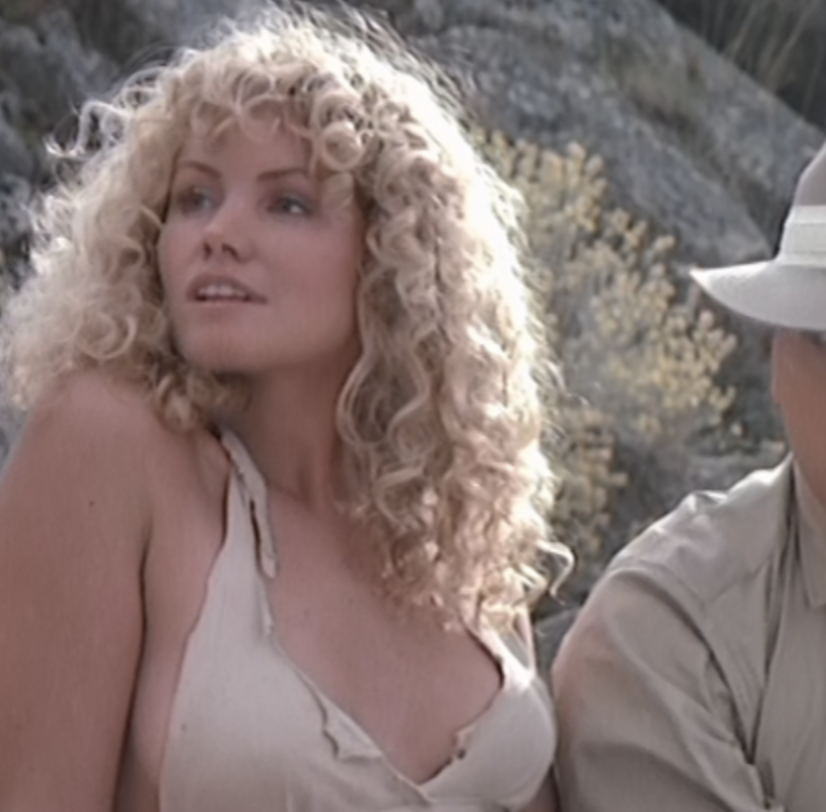
Let’s get this out of the way: The Stranglers of Bombay (1959) sounds like the kind of movie that should be playing at a grindhouse double bill—probably sandwiched between Dracula’s Dog and Nude Nuns with Big Guns. And with Terence Fisher behind the camera and Hammer Films bankrolling the production, you’d expect a pulpy, blood-soaked, throat-slashing adventure loaded with horror, suspense, and at least one close-up of a terrified eye just before the noose tightens.
Instead, what you get is a tepid colonial procedural with less excitement than a Royal Mail delivery schedule, featuring a villainous death cult that strangles people with the enthusiasm of a sleepy boa constrictor and a hero whose greatest weapon is his deeply furrowed brow.

🇮🇳 British Imperialism: The Movie
Set in 1820s India—because where else would a Hammer horror film set its murder mystery besides a place the British once tried to “improve” with cannonballs and etiquette?—The Stranglers of Bombay follows Captain Harry Lewis (Guy Rolfe), an East India Company officer investigating a string of disappearances in the region. He suspects a secret society is behind it, but of course, his stiff-shirted superiors dismiss him, because when has anyone in a position of power ever believed the protagonist before act three?
What follows is 80-something minutes of glacially paced “detective” work, with Lewis uncovering the sinister Thuggee cult—an actual historical organization whose name was later co-opted by rap groups and teenage slang alike. These Thugs worship Kali, strangle travelers with silk scarves, and leave behind cryptic messages carved in stone, like the ancient version of a bad Yelp review.
Sounds thrilling, right?
It isn’t.
🥱 A Murder Mystery Without the Murder (Or the Mystery)
For a film about a murderous death cult that strangles people in the name of a vengeful goddess, this is shockingly bloodless—both literally and figuratively. The murders, when they occur, are either offscreen or so low-energy that you begin to suspect the Thuggee cult has unionized and cut back on hours.
There’s no horror here. No suspense. Just a lot of men sweating in uniforms, squinting at evidence, and politely asking each other questions like, “Might the natives be… agitated?” The movie leans into colonial paranoia but without the guts or the self-awareness to do anything interesting with it.
By the time the secret temple is finally revealed, complete with skulls, torches, and low-budget idols, you’re too numb from exposition and fake accents to care. There’s more tension in a hotel elevator when someone presses the wrong floor.
🧍♂️Guy Rolfe: The Hero with a Thousand Yawns
Guy Rolfe, best remembered as the man who looked like Vincent Price if you shaved off all charisma, plays the stoic Captain Lewis with all the fire of a mid-level accountant discovering a misplaced spreadsheet. He scowls. He investigates. He stares into the middle distance like he’s trying to remember where he parked his elephant. There’s not a trace of emotional investment in anything he does—except when he’s choking someone for information, which happens at least twice and feels about as threatening as a stern librarian.
He’s supposed to be the heroic center of the film, but you keep hoping one of the Thuggee henchmen will put him out of our misery. Preferably with style. Or just a pillow.
🧕 The Women Are Decorative. At Best.
Look, this is 1959 Hammer. We weren’t expecting feminist revisionism. But even by those standards, the female characters in The Stranglers of Bombay are criminally undercooked. There’s Lewis’s wife, who exists solely to look worried and possibly remind the audience that white women were also colonized by their husbands’ career choices. Then there’s a local woman who tries to warn our hero about the cult and, predictably, ends up dead—because useful brown people in colonial narratives have a shelf life of about ten minutes.
It’s not just lazy—it’s wallpaper. These women are props with accents, occasionally shrieking when prompted, otherwise occupying the film’s bland visual palette like underpaid extras at a historical reenactment.
🙄 Villainy for Dummies
The main villain, played by George Pastell (a Hammer regular for “foreign-looking menace”), does his best as the high priest of Kali, trying to sell menace through intense eye contact and a cape that’s probably recycled from The Mummy. He strangles people, chants in Sanskrit-lite syllables, and glowers from behind curtains like he’s waiting to be cast in The Phantom of the Opera.
But the real problem is that the villains—like everything else—are neutered. There’s no sense of chaos. No dread. The Thuggee cult is portrayed as a Saturday matinee threat, not the stuff of nightmares. These are supposed to be ritualistic fanatics who believe strangling is a sacred duty. Instead, they seem like they’re trying to finish their strangling shift before the tea break.
💥 Missed Opportunity: Hammer’s Cursed Colonialism
This could’ve been a gonzo horror flick about imperial guilt, sacred vengeance, and the horrors of blind belief. It could’ve leaned into the exploitation, turned up the body count, and given us some damn tension. But Terence Fisher—normally reliable for making even cardboard look haunted—directs like he’s afraid of offending literally anyone. Which is ironic, because this movie manages to offend anyway by flattening Indian culture into spooky drums, snake charming, and the occasional decorative cobra.
This is Orientalism with the spice drained out. The sets are cheap. The costumes are recycled. And the supposed terror? It’s as threatening as a misplaced curtain tie.
🪦 Final Thoughts
The Stranglers of Bombay had everything it needed to be memorable: a real-life death cult, Hammer’s signature flair, and a solid director. Instead, it delivers a slow, dull, culturally tone-deaf march through colonial paranoia with all the urgency of a clogged hookah. It’s a horror movie that’s afraid of horror. An adventure story that doesn’t want to leave the tent. A cautionary tale about how you can have every tool in the shed and still forget how to dig a grave.
Rating: 1.5 out of 5 ceremonial scarves
If you’re looking for terror in the British Raj, keep walking. If you want to see how Hammer fumbles history, horror, and hubris in one dusty package, give it a go. Just don’t expect thrills—unless you find silk garrotes and stifled yawns thrilling.