She was born Linda Denise Blair in 1959, in St. Louis—midwestern roots, Scotch ancestry, the kind of upbringing that should’ve led to a quiet life lived far from Hollywood storms. Her dad flew Navy test planes before becoming an executive recruiter. Her mother sold real estate. She had an older sister and brother, the kind of family constellation that should’ve kept her grounded. But fate had other plans for Linda.
By five she was already a working model—Sears catalogs, JCPenney spreads, Welch’s grape jelly commercials. Seventy ads by age seven. At six she landed a contract for print advertisements in The New York Times. Childhood wasn’t recess and scraped knees; it was lighting setups, patient smiles, and an innate professionalism that made adults take notice. She also began riding horses—something she kept for life. Horses, unlike fame, don’t lie to you.
By nine she was acting on the soap opera Hidden Faces. By thirteen she was in films. And by fourteen she became the face of one of the most shocking, infamous, debated movies ever made: The Exorcist.
Her audition beat out 600 other girls. She played Regan MacNeil like she wasn’t acting, like that monstrous possession was bleeding right out of her pores. It wasn’t just that she matched Ellen Burstyn beat for beat. It was that she delivered a performance so raw, so fearless, so visceral that the world didn’t know how to process it. She was nominated for an Oscar. She won a Golden Globe. And then the backlash hit.
Americans have a funny relationship with horror—they crave it but punish the people who make it too real. Linda was fourteen when reporters speculated she’d had a mental breakdown. She got anonymous death threats. Religious groups labeled her a danger. Warner Bros. sent her on press tours to prove she was “just a normal teenager,” but there’s nothing normal about being the center of a global panic.
The Exorcist didn’t possess Linda Blair—but it nearly swallowed her career whole.
She kept working. Born Innocent (1974) drew protests for its harsh depiction of female institutional abuse. Sarah T. – Portrait of a Teenage Alcoholic (1975) showed she could carry drama as well as horror. Stranger in Our House (1978) and Wild Horse Hank (1979) gave her roles that used both her vulnerability and her grit.
But in 1979 came Roller Boogie, and suddenly Linda Blair—once the child whose demon-ruined face horrified millions—was now a sex symbol. Roller skates, short shorts, and a California glow gave her a kind of reinvention Hollywood happily consumed.
Then came the grindhouse years, the era critics pretend not to love but audiences devour like candy. Hell Night (1981). Chained Heat (1983). Savage Streets (1984), where she played a vigilante taking revenge on the men who hurt her friends. A tough, snarling performance that still has cult loyalists quoting lines decades later.
She posed for Playboy. She did more action, more grindhouse, more exploitation. She collected Razzie nominations like battle scars, though the truth is she was working in genres built to be judged harshly. She wasn’t chasing prestige—she was chasing survival in an industry that rarely forgives early fame.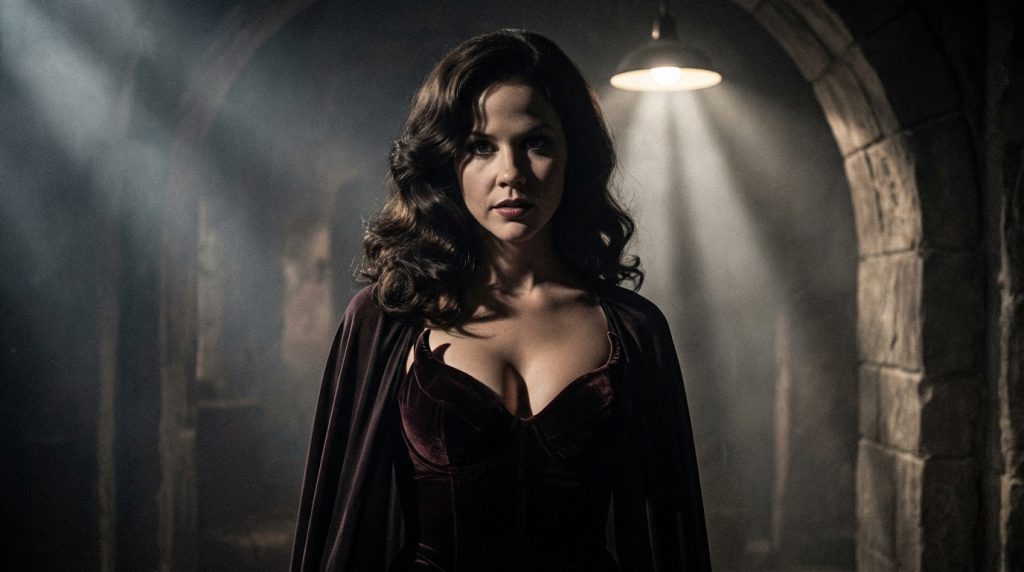
She acted steadily through the ‘80s and ‘90s: horror films, comedies, Australian thrillers. She spoofed herself in Repossessed (1990), appeared in Scream (1996), performed on Broadway in Grease, and participated in documentaries about The Exorcist that she handled with more grace than anyone could reasonably expect.
But here’s the thing: Linda Blair’s second life has nothing to do with spinning heads or pea soup. Her real legacy is built of fur, claws, and saved lives.
In 2004 she founded the Linda Blair WorldHeart Foundation—a rescue, rehabilitation, and adoption operation focused on abused and abandoned animals. She travels, fundraises, advocates, rescues dogs by the dozens. After Hurricane Katrina she saved fifty-one abandoned dogs herself. She cares with the same ferocity she once used to terrify the world onscreen.
Linda Blair is no joke. She’s an activist with dirt under her nails and resolve in her spine.
Her personal life was the kind of wildfire Hollywood loves to whisper about. She dated Rick Springfield at fifteen. Later Glenn Hughes. Neil Giraldo. Tommy Shaw. Jim “Dandy” Mangrum. Rick James, who wrote “Cold Blooded” about her and described their relationship in his memoir with a mixture of lust and heartbreak. She was arrested at eighteen for cocaine possession, avoided prison, completed probation, and did mandatory appearances warning teens about drugs. She has said she believes in the paranormal—which feels like the universe’s smallest joke.
She reprised Regan in Exorcist II (1977) and again in The Exorcist: Believer (2023), this time older, wiser, heavier with the weight of her own history. In 2025 she announced a memoir and the desire to restart her acting career—proof that the girl who scared the world still isn’t finished telling her story.
Linda Blair was once the possessed child who traumatized a generation. Now she’s the woman who rescues the abandoned, advocates for the voiceless, and carries her own scars like they’re something earned, not something endured.
She became famous for playing a girl terrorized by a monster.
She became meaningful for proving she wasn’t one.
