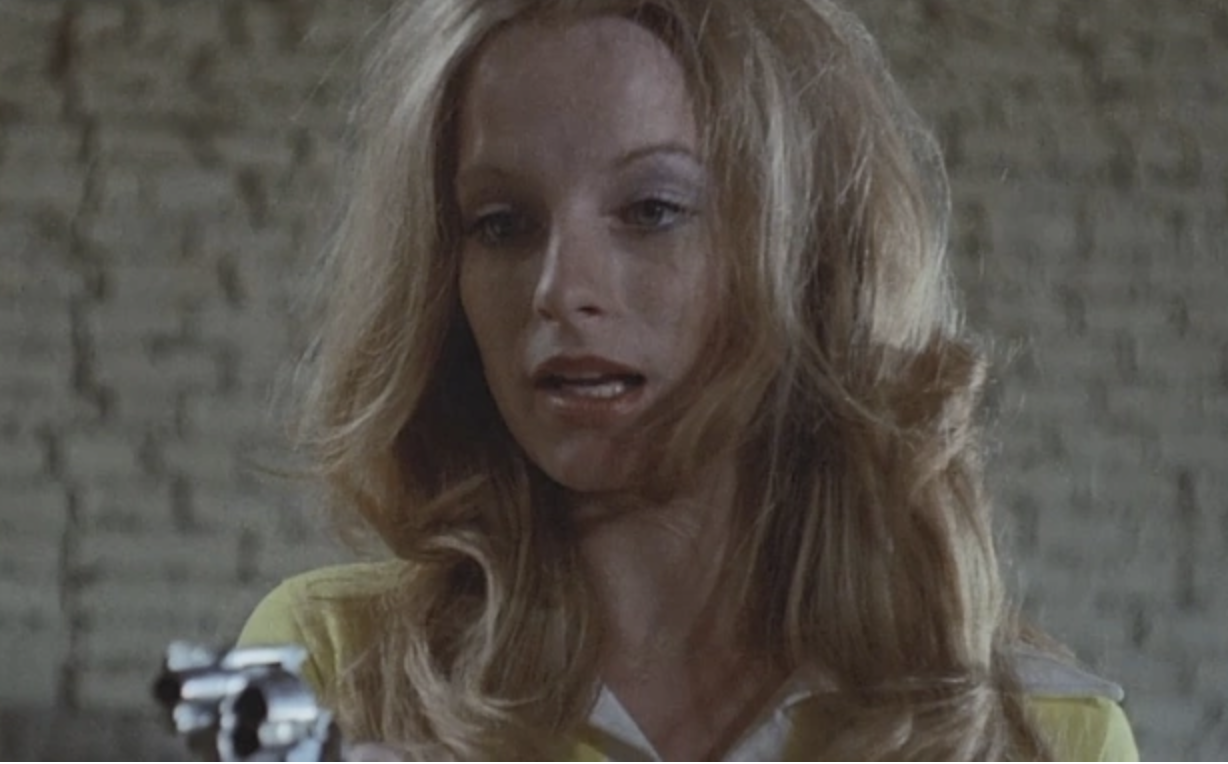
Delta Burke entered the world on July 30, 1956, down in Orlando, Florida, a place where the heat clings to your skin like a desperate lover. She was born to a single mother and adopted by a man who did his best to bring order to a life already buzzing with ambition. Even as a kid, you could feel the hum around her, the kind that sticks to certain people—the ones who seem to glow before they know what to do with all that light.
She grew up navigating siblings, schools, expectations, and the kind of Southern sunshine that makes everything look soft even when it isn’t. In high school she did what people expect pretty girls to do: she won things. Miss Flame from the Orlando Fire Department. Then Miss Florida 1974, the youngest one they’d ever crowned. The sort of title that looks glamorous when you’re young and hungry, but later shines like a brass doorknob—bright, polished, and cold to the touch. What it gave her, more than anything else, was a scholarship and a way out. London carried her off like a promise, and at the Academy she learned to act, though she’d been doing it her whole life.
When she came back to the States, she floated straight into the machinery—television first, the medium that eats people like popcorn. The Chisholms, Filthy Rich, 1st & Ten—she stepped through each job like someone trying to figure out which room of a house feels like home. She wasn’t the star yet, not really, but she was a face people remembered. A spark in her eye, a kind of defiant softness.
Then Designing Women happened.
Suzanne Sugarbaker was the kind of role that hands you both a microphone and a stick of dynamite. Delta leaned into it with a force that made people stop what they were doing. She had timing, attitude, and the kind of charisma that makes executives nervous. The show sputtered at first, like every good thing that comes too early or too honest, but then it caught fire. Suddenly millions of Americans were tuning in to hear Suzanne Sugarbaker drop lines sharp enough to draw blood.
Delta became the breakout star, even when she didn’t try to. Emmy nominations rolled in. Magazine covers. Interviews. The kind of sudden ascent that never comes without a price.
Hollywood never learned how to handle a complicated woman, especially one who wouldn’t shrink herself. Delta was loud when she needed to be, defiant when she believed she’d been wronged, and open about what the work was doing to her. Fifteen-hour days. Locking the doors to keep actors on set. Friendships strained to snapping points. The media cast her as difficult, which is what happens when a woman demands respect without apologizing first.
But she wasn’t playing games; she was telling the truth. It didn’t matter. By 1991, she was shown the door. Fired. Not because she couldn’t act, but because she chose not to play small.
Her next shows—Delta, Women of the House—were built for her, sculpted from her own persona, but the TV gods are fickle creatures. A season here, a cancellation there. The tabloids circled like they’d smelled blood. They weren’t interested in her performances; they wanted her weight. They wanted shame. They wanted headlines. When you’re beautiful young, they expect you to stay frozen, like a pin-up trapped behind glass.
Delta never played along.
She told the world she’d been fighting weight, depression, and eating disorders since pageant days. And then she did something remarkable: she asked for an episode of Designing Women that turned that pain into truth. “They Shoot Fat Women, Don’t They?” gave Suzanne Sugarbaker a chance to bleed on camera, and Delta became more than an actress—she became human, vulnerable enough to be brave. The performance earned her an Emmy nomination, but more importantly, it earned her a slice of dignity in an industry that tries to steal it.
Her life went on like that—acting, retreating, reinventing. She found work in films, small parts that let her show up without carrying the weight of the world. What Women Want, Bridal Fever, Boston Legal. Then Broadway pulled her in, and she stepped onto the stage like someone who’d always belonged there. Thoroughly Modern Millie in 2003. Steel Magnolias in 2005. The boards beneath her feet steadied her in a way only theater can—real flesh, real breath, real time.
She married actor Gerald McRaney in 1989, the kind of union that looked like two people choosing each other with both eyes open. No children between them, but a life built on the kind of partnership Hollywood rarely produces. Homes scattered across different states, antiques, businesses, quiet joys.
And then came the diagnoses: type 2 diabetes, hoarding disorder. People love to judge what they don’t understand. They don’t see the girl who kept everything because nothing in life felt guaranteed. They don’t see the woman who survived an industry that eats the vulnerable for lunch. They don’t see the battle scars or the grit it takes to ask for help.
Delta Burke never stopped living out loud. She supported gay rights when it was considered risky. She spoke her mind when silence would’ve been safer. She built a clothing line. She confronted her demons. She walked back onto stages, onto sets, into interviews with the kind of honesty that makes other people nervous.
She was once voted “Most Likely to Succeed” in high school. They didn’t realize success would look like grit, bruises, reinvention, survival, and a stubborn refusal to disappear.
Delta Burke became famous for playing a Southern diva, but the truth is simpler and rougher: she’s a woman who refused to let anyone else write her story. And in a town that loves the shiny and hates the real, that may be the bravest thing she ever did.