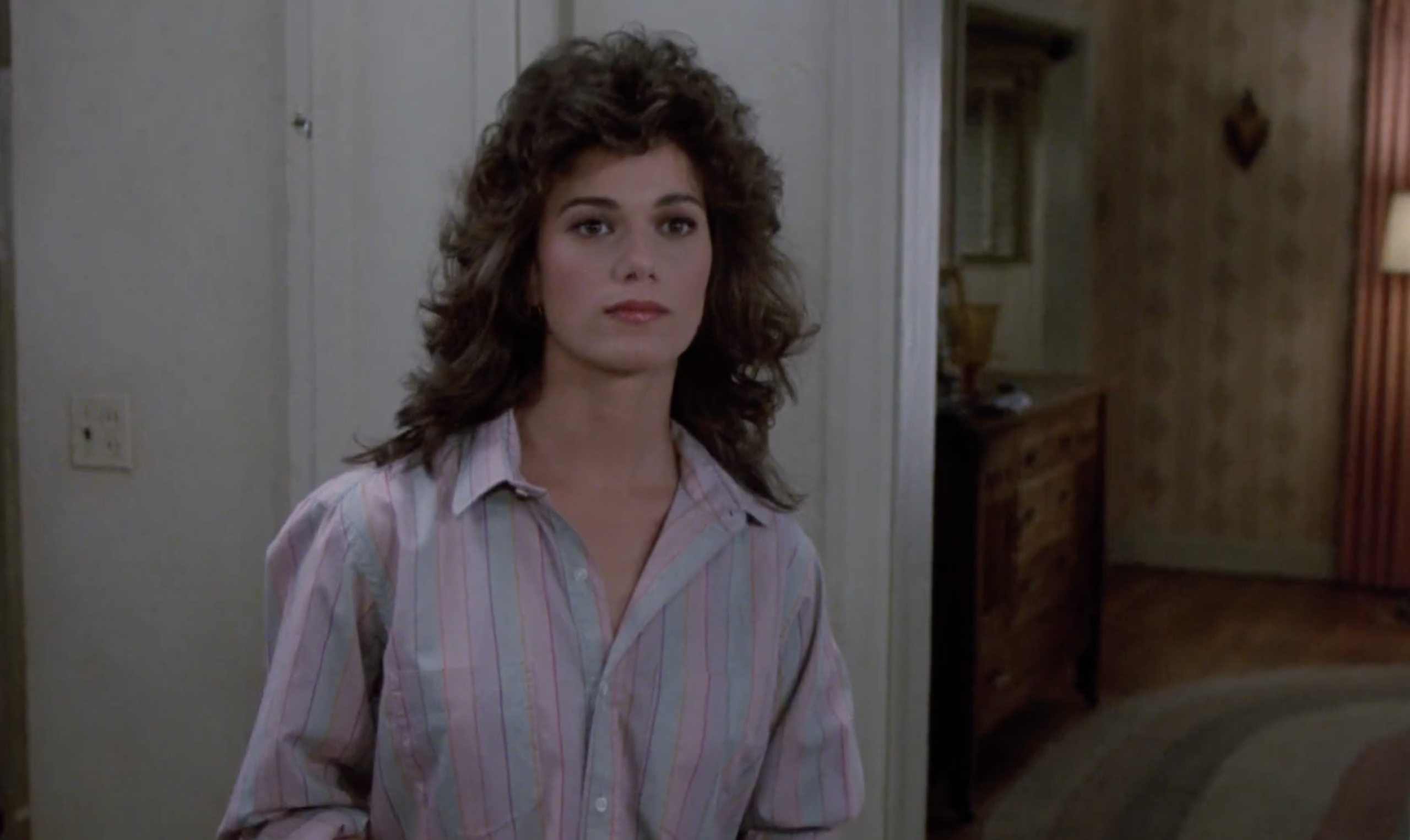
Kathryn Baker is one of those performers who slips into a scene like a whisper and leaves the whole room shaking. You don’t always see her coming—she isn’t the type who chews scenery or demands the spotlight with a scream. She works in subtler colors, soft tones that build into storms. That’s how she’s lasted forty years in an industry that eats the delicate alive. Baker isn’t delicate. She just learned long ago that stillness can be power, and nuance can cut sharper than volume.
Born in Midland, Texas, raised Quaker—already, that’s a contradiction wrapped in skin. Peace, humility, quiet reflection… and the fire of someone who would one day stand onstage with Ed Harris and hold her own. She moved through childhood like someone waiting for the right door to open. Mills High School, a drama teacher named Allen Knight who lit the fuse, then theater training at Boston University and CalArts—places where the air hums with ambition and heartbreak in equal measure.
And because life isn’t linear, because sometimes you need detours to figure out what you really want, she went back and earned a B.A. in French from UC Berkeley in 1977. A degree in a language built on elegance and irony—perfect for an actress who would spend her life moving between tenderness and steel.
The Stage: Where She Found the Edge of Herself
She started at San Francisco’s Magic Theatre—Sam Shepard country. Hard plays. Sharp plays. Roles that make an actor bleed through their fingertips. Then came Fool for Love off-Broadway in 1983, opposite Ed Harris. You don’t walk out of a Shepard play unchanged, and the Obie Award she won wasn’t just about performance—it was about surviving the emotional head-on collision.
That same year, Hollywood came calling with The Right Stuff. She played Louise Shepard, a role requiring the quiet endurance of a woman holding her family together while her husband reached for the sky. Kathryn understood those kinds of women. She knew how to play strength without theatrics, loyalty without limpness.
And after that, the work didn’t slow. It deepened.
The Films: A Career Built in Unshowy Devastations
In Street Smart (1987), she played Punchy, a prostitute, and delivered a performance so raw and precise it won her the National Society of Film Critics Award and an Independent Spirit nomination. Hollywood loves spectacle, but Kathryn made devastation look human. Real. Bone-deep.
Then came Clean and Sober, Jacknife, Edward Scissorhands—as Joyce, the hungry-eyed suburban lioness with claws dipped in longing. Few actresses can make desire funny and sad in the same breath; she did it effortlessly.
Nurse Angela in The Cider House Rules, a small part that carried the ache of an entire generation of women. Sally Swanger in Cold Mountain, weary and unbreakable. Roles that would’ve slipped past in lesser hands, but Kathryn always found the pulse.
By the 2000s, she was working with directors like Rodrigo García, who built films (Things You Can Tell Just by Looking at Her, Nine Lives) out of the kind of emotional micro-expressions Kathryn specializes in. A whole cosmos in a blink. A lifetime in a sigh.
She kept moving—Last Chance Harvey, Take Shelter, Saving Mr. Banks, The Age of Adaline. Over fifty films, each one carrying her fingerprints, even when she wasn’t the marquee name.
Television: Where She Took the Crown
Then came Picket Fences. Dr. Jill Brock. A role that would’ve been forgettable in the wrong body—small-town doctor, wife, mother—but Kathryn made her fierce, flawed, warm, infuriating, tender. A woman with a heartbeat you could hear through the screen.
Television critics fell over themselves. Three Primetime Emmys for Outstanding Lead Actress. A Golden Globe. A Screen Actors Guild Award. She stacked statues like firewood.
David E. Kelley kept her close—Ally McBeal, The Practice, Boston Public. As Meredith Peters on Boston Public, she delivered a guest performance so sharp it earned yet another Emmy nomination. The kind of work that reminds audiences how dangerous she can be when she gets a role with teeth.
She slipped into episodes of Touched by an Angel, Nip/Tuck, Grey’s Anatomy, Law & Order: SVU, Medium. Never showy, never lazy. Always surgical.
In the 2000s she co-starred in the Jesse Stone films with Tom Selleck, grounding the stories with her steady presence. In the Netflix series The Ranch, she gave sitcom warmth a melancholic edge.
Even when she wasn’t the center, she was the gravity.
A Personal Life Built on Balance, Not Headlines
Kathryn raised two children with her first husband, Donald Camillieri. In 2003 she married director and producer Steven Robman. She lives in Southern California, far from the noise, choosing a life with fewer cameras and more oxygen.
It fits her. The woman who works quietly, lives quietly, and leaves earthquakes behind her on screen.
What Her Legacy Really Is
Kathryn Baker isn’t the actress who shouts. She’s the one who listens. The one who lets silence do the talking. The one who walks into a role like she’s walking into a confession booth—gently, bravely, with nothing to hide but everything to reveal.
Her characters breathe.
They hurt.
They hope.
They collapse.
They rebuild.
She has spent decades playing ordinary women with extraordinary bones, giving them dignity, danger, humor, heartbreak—everything real, nothing wasted.
Some actors aim to be unforgettable.
Kathryn Baker aims to be true.
And in the long run, truth leaves a deeper mark.