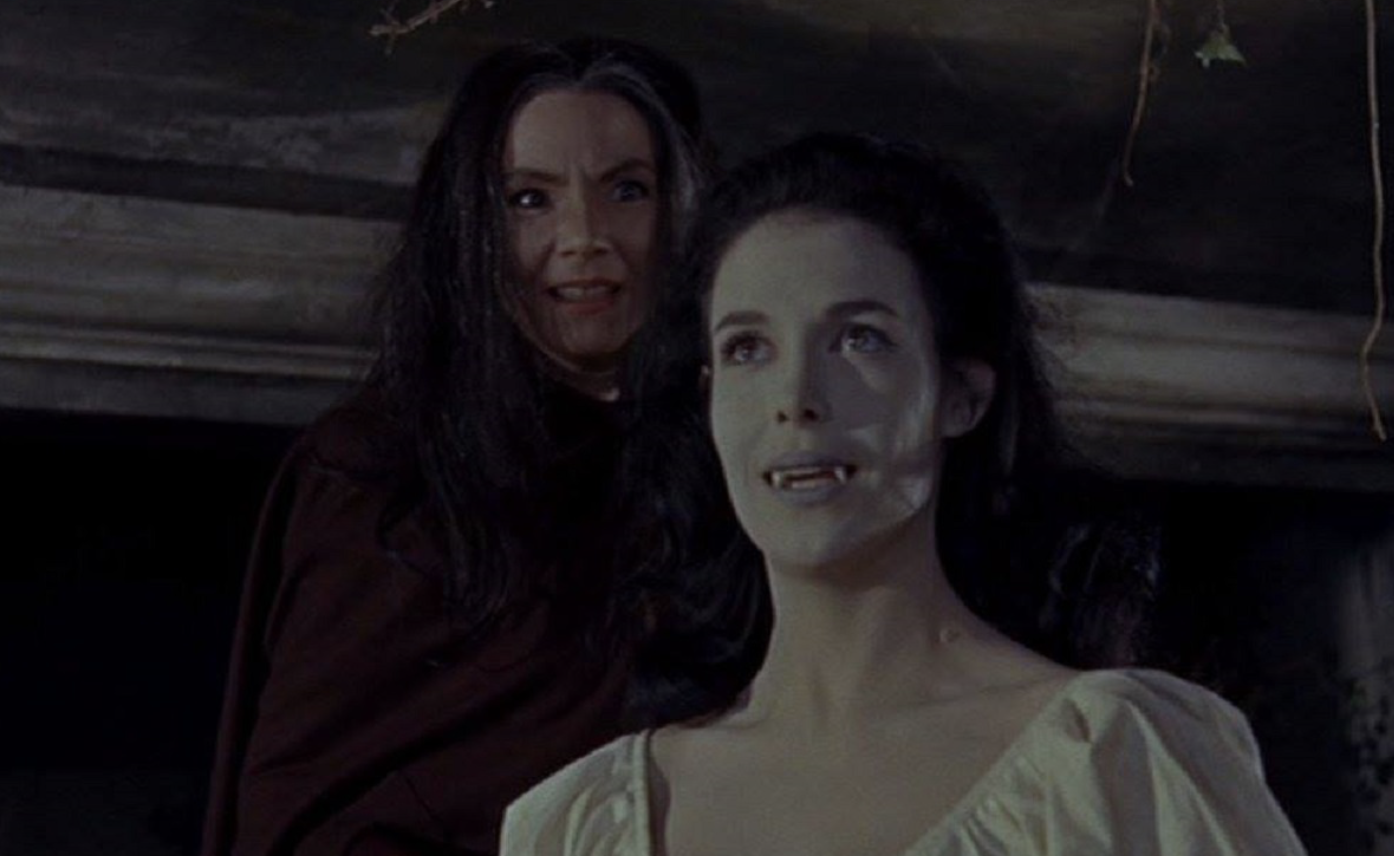
Nancy Coleman was the kind of actress who didn’t need to shout to be heard. She worked in a time when the lights were hot, the contracts were cold, and the applause came late, if at all. She carried intelligence like a coat she’d worn too long—comfortable, a little frayed, and unmistakably hers.
She was born on December 30, 1912, in Everett, Washington, a town that smelled of paper and rain. Her father edited the local newspaper, which meant words mattered in that house. They weren’t decorations; they were tools. Her mother played the violin, which meant silence mattered too. Between ink and music, Nancy learned early that sound could be shaped, controlled, aimed.
She graduated from Everett High School with honors, the kind of girl teachers liked and boys didn’t quite know what to do with. Too sharp. Too composed. She went on to the University of Washington and studied English, which is what you do when you’re interested in how people think but not ready to admit you want to perform it back to them. She was good enough to get into Columbia’s Teacher’s College, but teaching wasn’t going to hold her. It never does for people who want the room to look back at them.
She dropped out, moved to San Francisco, and took a job as an elevator operator in a department store. That tells you everything you need to know about her early ambition. She wasn’t afraid of starting low. Elevators teach patience. You go up and down all day, listening to people talk like they’re important. You learn timing. You learn faces. You learn when to speak and when not to.
Radio came first, because radio always came first for people like Nancy Coleman. You didn’t need a face, just a voice that could suggest one. She had that voice—steady, educated, with a warmth that didn’t beg for approval. She played Alice Hughes on Young Doctor Malone, which meant she was suddenly living in kitchens and living rooms across America, speaking softly into the furniture.
Radio acting is a discipline. There’s nowhere to hide. No lighting trick. No camera angle to save you. You breathe wrong, you ruin the scene. Coleman understood this. She also appeared on Suspense, where fear had to be painted with syllables alone. No screams. No shortcuts. Just tone, pacing, restraint.
Broadway came next, because it always does when someone proves they can survive radio. She appeared in Liberty Jonesin 1941, then later The Sacred Flame and The Desperate Hours. Broadway didn’t make her famous, but it made her legitimate. It told casting directors she could hold a stage without dissolving into nerves or vanity.
Hollywood noticed eventually. Warner Bros. always noticed eventually, like a big machine waking up and deciding it might need you. She moved west and stepped into films that didn’t always remember her name, but remembered her presence. Warner Bros. didn’t hire you to shine. They hired you to serve the story, and Nancy Coleman did that with an almost stubborn professionalism.
Her most memorable roles weren’t glamorous. They were human. She played the mistress to a Nazi in Edge of Darkness, which meant she had to navigate moral rot without turning it into caricature. She co-starred with Paul Henreid in In Our Time, holding her own opposite a man built for romantic suffering. And in Devotion (1946), she played Anne Brontë—quiet, observant, dying slowly in the shadow of louder siblings. That role fit her like an old truth.
She was never the center of the frame, but she was often the reason the frame held together. These are the actors history forgets until someone watches closely.
Television arrived in the 1950s like a rude younger cousin, and Nancy adapted. She guest-starred, took roles that didn’t promise longevity but paid the bills. She played Helen Emerson on Valiant Lady, bringing steadiness to a medium that thrived on urgency. By then, she understood the rhythm of working life as an actress: prepare, perform, disappear, repeat.
She married Whitney Bolton in 1943, a drama critic and publicity director. That’s a dangerous pairing—an actress and a man whose job is to judge—but they made it work. He knew the business from the inside. He knew when to talk and when to stay quiet. They stayed married until his death in 1969, which is no small feat in a town that feeds on endings.
In 1944, she gave birth to twin daughters. That changes a woman’s relationship with the world. Hollywood rarely forgives motherhood unless it’s decorative, and Nancy Coleman was never decorative. After that, her career slowed, but it didn’t collapse. She chose work when it came, and she chose her children when it mattered more.
She didn’t chase relevance. She didn’t reinvent herself every decade. She didn’t sell secrets or bitterness. She worked, raised her family, and let the noise pass.
By the time she died on January 18, 2000, the industry she’d known was already a museum piece. Radio was nostalgia. Studio contracts were myths. The actresses who survived those eras weren’t remembered for their press clippings, but for their discipline.
Nancy Coleman belonged to that disappearing class: intelligent, reserved, durable. She didn’t mistake attention for value. She didn’t confuse ambition with desperation. She understood that acting, at its core, is about listening—really listening—and then responding truthfully.
There are no legends attached to her name. No scandals. No cautionary tales. Just a body of work that did what it was supposed to do and moved on.
That kind of career doesn’t get statues. It gets footnotes.
But footnotes are where the truth lives.