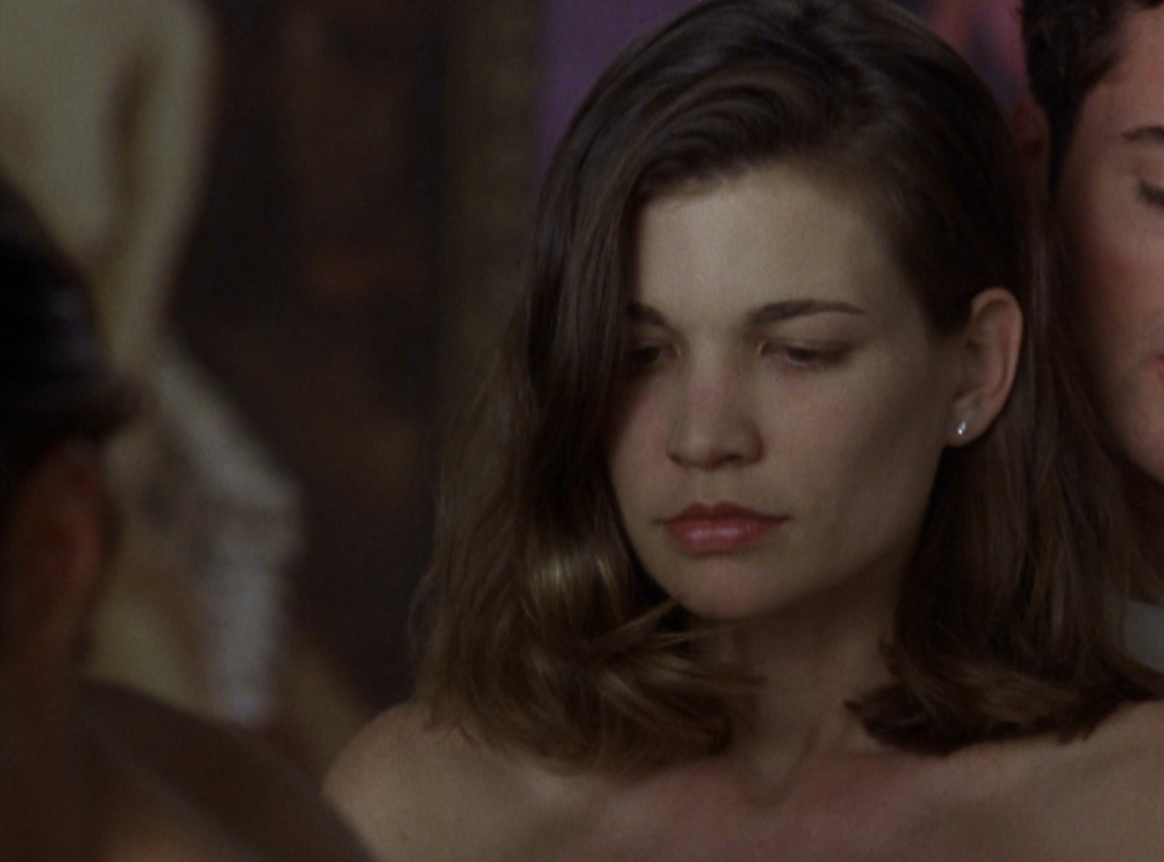
She came up on Chicago’s South Side, a pastor’s daughter raised in a house where conscience mattered, where community wasn’t a slogan but a lived geography. But while the sermons thundered in the sanctuary, Sheila’s real religion formed in the glow of a camcorder. As a kid, she made home-movie epics—shaky, loud, half-invented worlds stitched together with imagination and borrowed props. That was her first cinema, her first classroom, her first proof that she didn’t need permission to create.
By seven she was onstage in a local production of Annie, small but fearless, already learning the sweet ache of applause. She didn’t choose acting—it chose her and refused to let go. As she got older, she took the long road, the disciplined one, the one most people don’t see when they imagine “overnight success.” She earned a BFA in Directing and Set Design at NYU Tisch, then went straight into a Master of Fine Arts at Harvard, building the kind of artistic muscle only repetition and humility can develop. She performed everything—Medea, A Streetcar Named Desire, Life and Limb, The Merchant of Venice—training her voice and body like an athlete.
Somewhere between all that stage sweat and student debt, she picked up her first onscreen credit in The Untouchablesback in 1993—a blink-and-you’ll-miss-it role that still marked the start of something. She worked everywhere she could: the American Repertory Theatre, Steppenwolf Garage, Court Theatre, the Moscow Art Theatre, the Groundlings. These weren’t just gigs; they were labs, trenches, creative bootcamps where performers either toughened up or vanished. Sheila toughened up.
She wrote too—because some stories needed her voice, not someone else’s. She crafted the short film Piano Lessons; later wrote and starred in The Quake, a sharp little satire where two Angelenos treat a 1.1 earthquake like the apocalypse. It was the kind of joke you tell when you know the city inside out and love it anyway.
Then came IAMA Theatre Company, a creative home where she built and performed a one-woman show, Anyone but Me—a piece that carved into Latin American identity with humor and honesty sharp enough to draw blood. She didn’t just perform it; she lived it, one foot in cultural inheritance, one foot in reinvention.
Television kept calling—Jane the Virgin, The Good Place, American Housewife, Me and My Grandma, How to Survive High School. Some roles were quick hits, some recurring, all adding up to a working actor’s résumé: nothing glamorous, everything earned.
And then—Ghosts.
The CBS hit cracked her open to the world. As Flower, the free-spirited hippie ghost who died in a bear attack (which is the kind of absurdity that only works when the actor plays it with absolute sincerity), Sheila became a fan favorite. On a show packed with oddballs, misfits, and supernatural dropouts, she found a way to make Flower feel tender, funny, bewildered, and spiritually untethered in a way that feels almost painfully human. She plays her like a candle flickering in a room with no windows—bright, fragile, trying her best.
Outside the spotlight, she’s still that grounded Chicago kid. She grew up United Methodist. She married her partner, Josh, and announced in 2023 that they were expecting their first child. The world doesn’t always make space for artists to build families, but Sheila made her own room for one anyway.
If there’s a through-line to her story, it’s this: she writes her way forward. She performs her way forward. She builds worlds where she needs them, moves between stages and screens as if both were built from the same material—imagination, faith, stubbornness.
And now she’s Flower on national television, floating barefoot across prime time, the hippie ghost with more heart than she knows what to do with.
But underneath all that?
Still the girl with a camera, filming stories in the living room.
Still the woman who took her craft seriously enough to train for years.
Still the artist who refuses to disappear.
Sheila Carrasco didn’t arrive overnight.
She carved her way here.