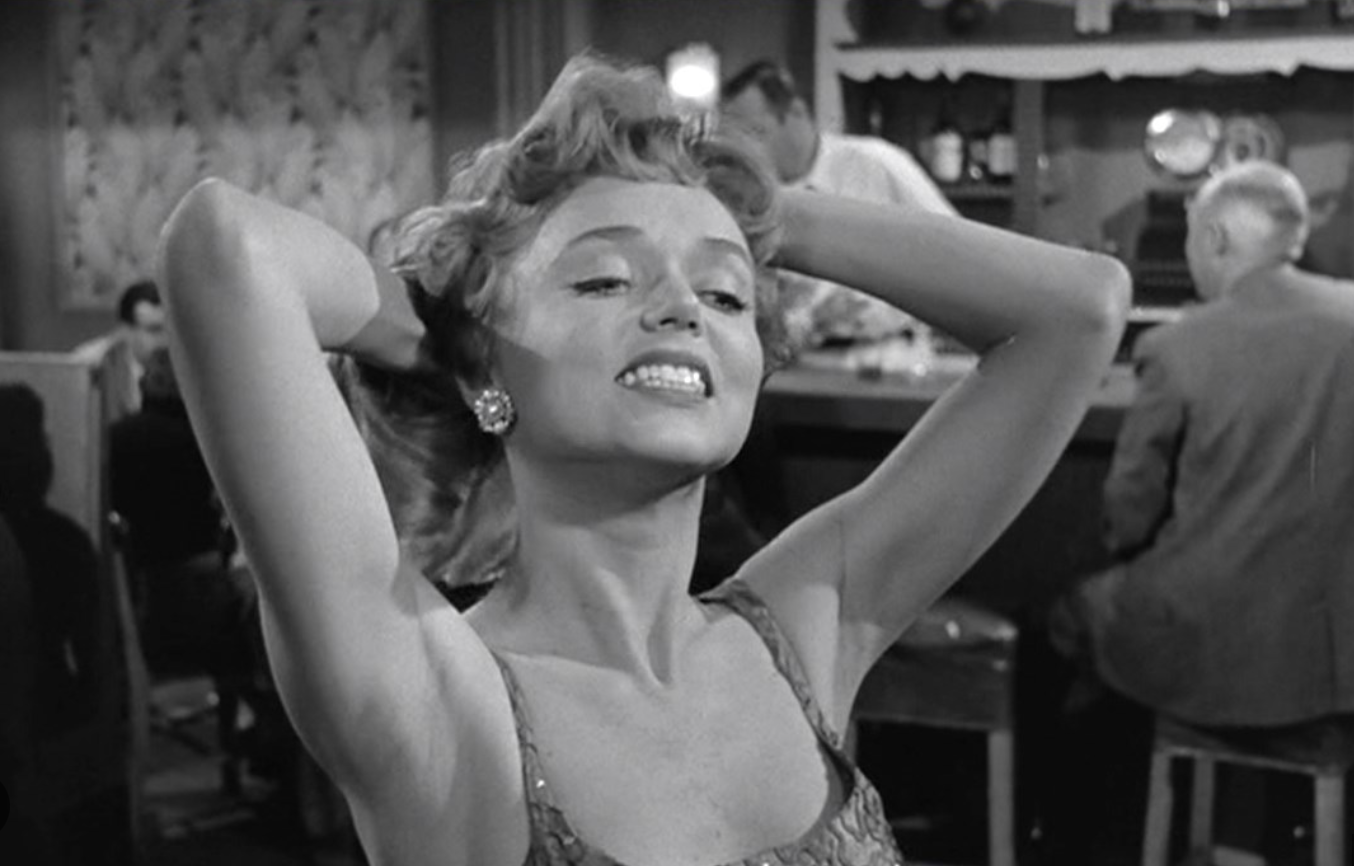
Skye McCole Bartusiak came into the world on September 28, 1992, in Houston, with the kind of presence that seasoned actors spend decades trying to fake. Some kids grow into their talent. Skye arrived with hers fully formed—wide-eyed, quick, instinctive. She didn’t act so much as live inside the moment, small as she was, the camera leaning in as if even it knew she wouldn’t be here long.
She started early, the way prodigies sometimes do—not with sitcoms or toy commercials, but with Stephen King. Storm of the Century gave her young Pippa Hatcher to play, and she handled supernatural terror with a steadiness that made people stop and ask, “Who is that kid?”
By 2000 she was on a battlefield, clinging to Mel Gibson’s leg in The Patriot, the youngest child in a brutal war drama. She didn’t have big speeches—what she had was something harder: silence that meant something. Her teary wordless goodbye to her father, a tiny girl fighting through her own fear just to speak, became one of the film’s defining moments. She wasn’t performing. She was breaking the audience’s heart in real time.
And she didn’t stop.
In 2001 she played young Marilyn Monroe in Blonde, then the psychiatrist’s daughter in Don’t Say a Word—famous now for the whispered line, “I’ll never tell.” She slipped in and out of these roles like she’d been doing it for lifetimes, her small face carrying more truth than most scripts deserved.
Television chased her next. She showed up in Firestarter: Rekindled, in 24 as Megan Matheson—a terrified child tangled in danger far beyond her size—and in 2005 she drilled herself into the horror world with Boogeyman, a performance that made the phrase “main billing” feel almost unnecessary. She held the screen in a way that made everyone else look slightly overlit.
There was theater too—The Miracle Worker—and indie films like Kill Your Darlings, where she went dark, messy, and wounded as Sunshine, a girl clawing at the edges of her father’s indifference.
But brilliance doesn’t harden into armor. It doesn’t protect its host.
By her late teens Skye was still working, still living in Houston with her family orbiting close around her. She was smart, funny, the kind of girl who could switch from Shakespeare to video games without missing a beat. She graduated from Laurel Springs School in 2010. She made plans. She talked about directing. She talked about training horses. She talked about everything she would do next.
Then, as often happens with young actors the industry burns through too fast, her body began to send up smoke signals—seizures, exhaustion, strange collapses of strength. Her mother said Skye was healthy, didn’t use drugs, was trying to get answers. But the body keeps its own secrets.
On July 19, 2014, she died in the apartment behind her parents’ house. Just 21. Too young to be remembered, old enough to be mourned by people who had never met her. Early reports leaned toward seizures; later, the autopsy named an accidental overdose—hydrocodone, carisoprodol, and the cold chemical sting of huffed keyboard duster. A child actress, grown into a young woman, outpaced by pain she never bragged about.
Her brother Stephen—who would himself pass away nine years later—told the crowd at her memorial: “If you want to know what makes Skye happy, go out and plant a tree.” He said it simply, without theatrics, the way you speak when your grief is too heavy to lift into metaphor.
Skye McCole Bartusiak’s filmography is short, but the impact is long. A handful of roles, each one sharper than the last. A legacy built not on celebrity but on sincerity—a rare, raw talent that made directors lean in and audiences lean forward.
Some flames burn steady.
Some burn quiet.
Skye burned bright—and fast—and left warmth long after she was gone.