Say Her Name Three Times — and Maybe a Good Movie Will Appear
There are horror movies that make you scream, horror movies that make you laugh, and then there’s The Legend of Bloody Mary — a 2008 supernatural thriller that somehow manages to do both, often in the same scene. Written and directed by John Stecenko (with a co-writing assist from Dominick R. Domingo), it’s a film that asks the eternal question: “What if trauma, Catholic guilt, and bad lighting combined forces to haunt a man with great cheekbones?”
It’s a campy, earnest attempt at turning a slumber-party myth into a theological fever dream. It doesn’t quite succeed — but in failing spectacularly, it becomes weirdly entertaining. Think of it as The Exorcist if it were rewritten by a sleep-deprived youth pastor with a mirror phobia.
The Setup: When Mirrors Attack
The movie centers on Ryan (Paul Preiss), a college senior who’s been emotionally haunted for years by the disappearance of his sister, Amy, who vanished after playing the classic “Bloody Mary” mirror game. Since then, Ryan’s been plagued by guilt, nightmares, and possibly an unholy addiction to V-neck T-shirts.
His girlfriend Rachelle (Irina Costa) decides the solution isn’t therapy or medication — it’s calling a priest. Enter Father O’Neal (Robert J. Locke), a man of God who also happens to be an archaeologist, because why not. He’s like Indiana Jones with rosary beads.
Together, the two set out to uncover the truth behind Amy’s disappearance and the legend of Bloody Mary herself — a ghostly figure who, like many wronged women in horror, has weaponized her sense of injustice into an eternity of mirror-based jump scares.
As they dig deeper, reality blurs with nightmare, people start dying mysteriously, and Bloody Mary proves she’s less about reflection and more about making everyone deeply regret buying bathroom mirrors from Home Depot.
Paul Preiss: Haunted, Handsome, and Occasionally Confused
Let’s start with our tortured hero. Paul Preiss brings a kind of soap-opera intensity to Ryan, the kind of performance that suggests he thought this was a psychological drama about grief and not, in fact, a ghost that climbs out of mirrors.
He’s the quintessential early-2000s horror protagonist: brooding, sleep-deprived, and constantly sweaty. You can almost smell the Axe body spray of existential dread.
To his credit, Preiss gives it his all. He screams, he weeps, he runs down hallways like he’s late for midterms. His emotional range goes from “anguished whisper” to “shouting at reflections,” and somehow it works — mostly because the movie takes itself so seriously that you can’t help but cheer for him.
By the end, he’s less a victim and more a man locked in a cage match with his own trauma — and several bad special effects.
Father O’Neal: Priest, Professor, Paranormal Investigator
Robert J. Locke as Father O’Neal is the film’s MVP — and by MVP, I mean “Most Vatican-Protected.” He’s the kind of priest who takes everything very seriously, even when faced with a vengeful ghost who seems allergic to subtlety.
Father O’Neal has the energy of a man who once auditioned for The Da Vinci Code but ended up in a SyFy Original. He mutters about “ancient curses” and “restless spirits” with a conviction so intense you half-expect him to start blessing the craft services table.
He’s not just a man of faith, though — he’s an archaeologist. Which means when he’s not performing exorcisms, he’s probably carbon-dating the mirror. It’s a career crossover nobody asked for, but we should all appreciate.
Together, he and Ryan form the world’s least dynamic duo — one fueled by faith, the other by trauma, both running on pure cinematic absurdity.
The Ghost With the Most (Blood)
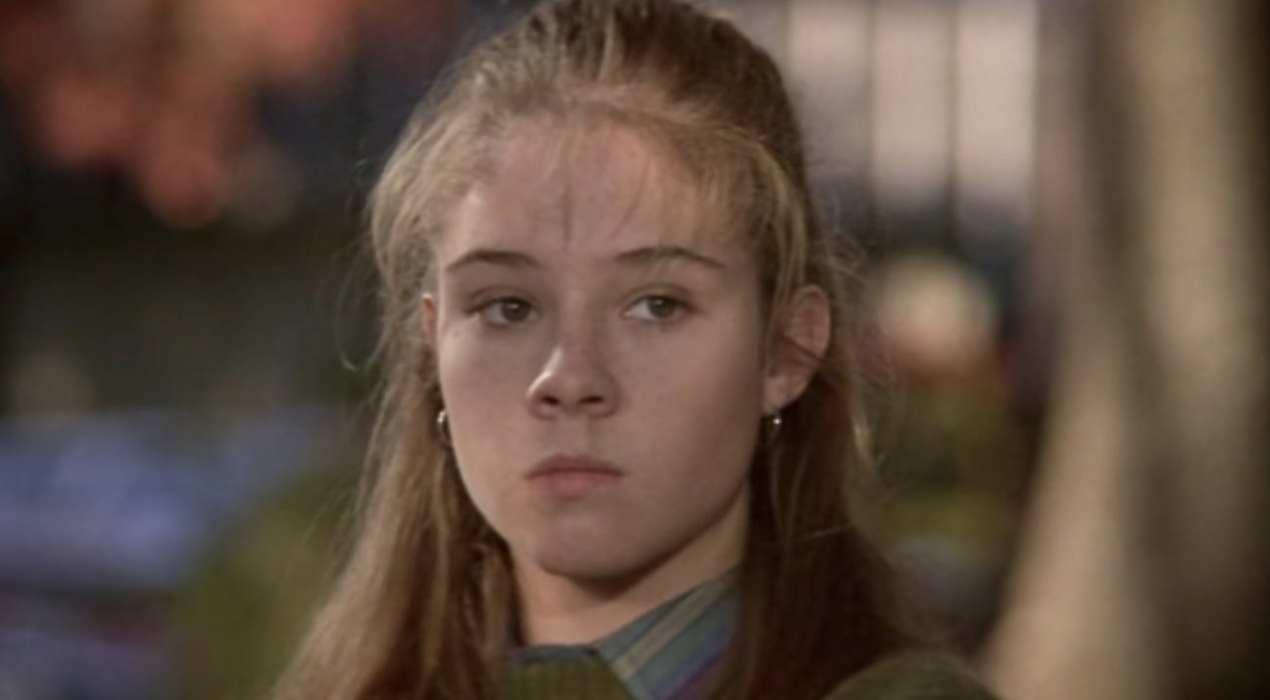
And then there’s Bloody Mary herself — played by Caitlin Wachs as the legendary specter Mary Worth, a woman so furious about being summoned that she’d rather kill everyone than just leave a nasty Yelp review.
Mary isn’t your typical ghost. She doesn’t float eerily or whisper threats; she lunges. She’s a full-contact haunting. One minute you’re brushing your teeth, the next you’re being dragged into a bathroom mirror like it’s a discount portal to Hell.
Her origin story — because every modern ghost gets one — is a tangled mess involving colonial witch trials, betrayal, and the kind of backstory you’d find scribbled in a middle schooler’s notebook. But who cares? The important thing is that she’s mad, she’s pale, and she loves to monologue from reflective surfaces.
She’s like the anti-Oprah of the spirit world: “You get a curse! You get a curse! Everyone gets a curse!”
The Horror: Bloody Fun, Bloody Dumb, and Bloody Entertaining
Despite the film’s low budget, The Legend of Bloody Mary has moments of genuine creepiness — mostly when it’s not trying too hard. A shot of a mirror just waiting for something to happen is often scarier than when CGI blood splatters all over it.
But what makes the movie weirdly charming is its sincerity. It doesn’t wink at the audience or play for laughs — it goes all in on its premise. There’s a kind of old-fashioned, campy ambition here that’s impossible to hate.
Sure, the pacing wobbles like a haunted tricycle, and the dialogue occasionally sounds like it was written by a Ouija board (“The mirror is the gateway between guilt… and truth!”), but there’s heart behind it. It’s like watching someone genuinely try to make a horror masterpiece with pocket change and a prayer.
The kills are fun, the atmosphere is moody, and the jump scares are plentiful enough to make you drop your popcorn at least once.
Cinematic Theology 101
One of the most entertaining aspects of Bloody Mary is how it blends supernatural horror with heavy-handed religious subtext. It’s as if the writers thought, “What if we took an urban legend and made it about original sin?”
Every mirror scene doubles as a metaphor for guilt, reflection, and redemption — which sounds profound until someone gets decapitated by their own reflection. It’s theology via Final Destination.
Still, the film’s attempt to add gravitas to the Bloody Mary myth is oddly endearing. You almost want to hand Father O’Neal a mirror just to see if he’d try to convert the ghost mid-exorcism.
The Production: Low Budget, High Camp
With a modest budget and an R rating for “violence, language, and sexuality/nudity” (so basically all the essentials), The Legend of Bloody Mary feels like it was made by people who really, truly love horror.
The lighting is sometimes too dark, the CGI looks like it came from a PlayStation 2, and the dialogue occasionally feels like it escaped from a daytime soap. And yet… it works. There’s a scrappy energy to it, a sense that everyone involved believed they were making something epic.
Even the score — dramatic, overblown, and occasionally louder than the dialogue — adds to the fun. It’s horror comfort food: cheesy, familiar, but strangely satisfying.
Final Verdict: Bloody Good Time
The Legend of Bloody Mary isn’t perfect — it’s not even particularly coherent — but it’s entertaining as hell. It’s a fun, spooky throwback to the kind of mid-2000s horror that filled Blockbuster shelves and teenage sleepovers alike.
It’s the cinematic equivalent of saying “Bloody Mary” into a mirror after two Red Bulls: you know it’s dumb, but you can’t resist.
Paul Preiss broods, Father O’Neal blesses, and Bloody Mary delivers her vengeance with gleeful abandon. What more could you ask for?
4 out of 5 stars.
A mirror-filled, melodramatic morality tale with just the right amount of blood, camp, and unintentional comedy. Say her name three times — she might not appear, but your inner horror nerd definitely will.