Dario Argento once stood atop the cinematic mountaintop, screaming with black-gloved hands and buckets of Technicolor blood: the undisputed maestro of Italian horror. By 1996, though, his scream had devolved into a wheeze, and his new toy was a medical disorder that most people hadn’t heard of until they saw it written on a VHS box. The Stendhal Syndrome takes a fascinating concept — art so beautiful it literally makes you collapse — and somehow turns it into two long hours of tedious psycho-babble, paint-smeared hallucinations, and the sort of family project only a horror director could think was a good idea: “Hey honey, why don’t you star in a graphic rape-and-torture film directed by your own father? You’ll thank me later.”

Art Attack: The Gimmick That Sinks the Ship
The movie opens with Asia Argento’s Anna Manni wandering the Uffizi Gallery, overcome by Stendhal Syndrome, which here is depicted less as a psychological fugue and more like a cheap acid trip. Paintings warp, statues breathe, and at one point she literally walks into a canvas and ends up snogging a fish underwater. It’s less terrifying and more like Fantasiadirected by a guy who’d just downed three espressos and a Valium.
Argento actually got permission to film in the Uffizi, which is a historic achievement. Unfortunately, he used it to stage a scene that plays like an undergrad film student’s idea of “trippy.” If this is what fine art does to people, the Louvre should come with a Surgeon General’s warning.
Asia Argento: Daddy’s Little Trauma Sponge
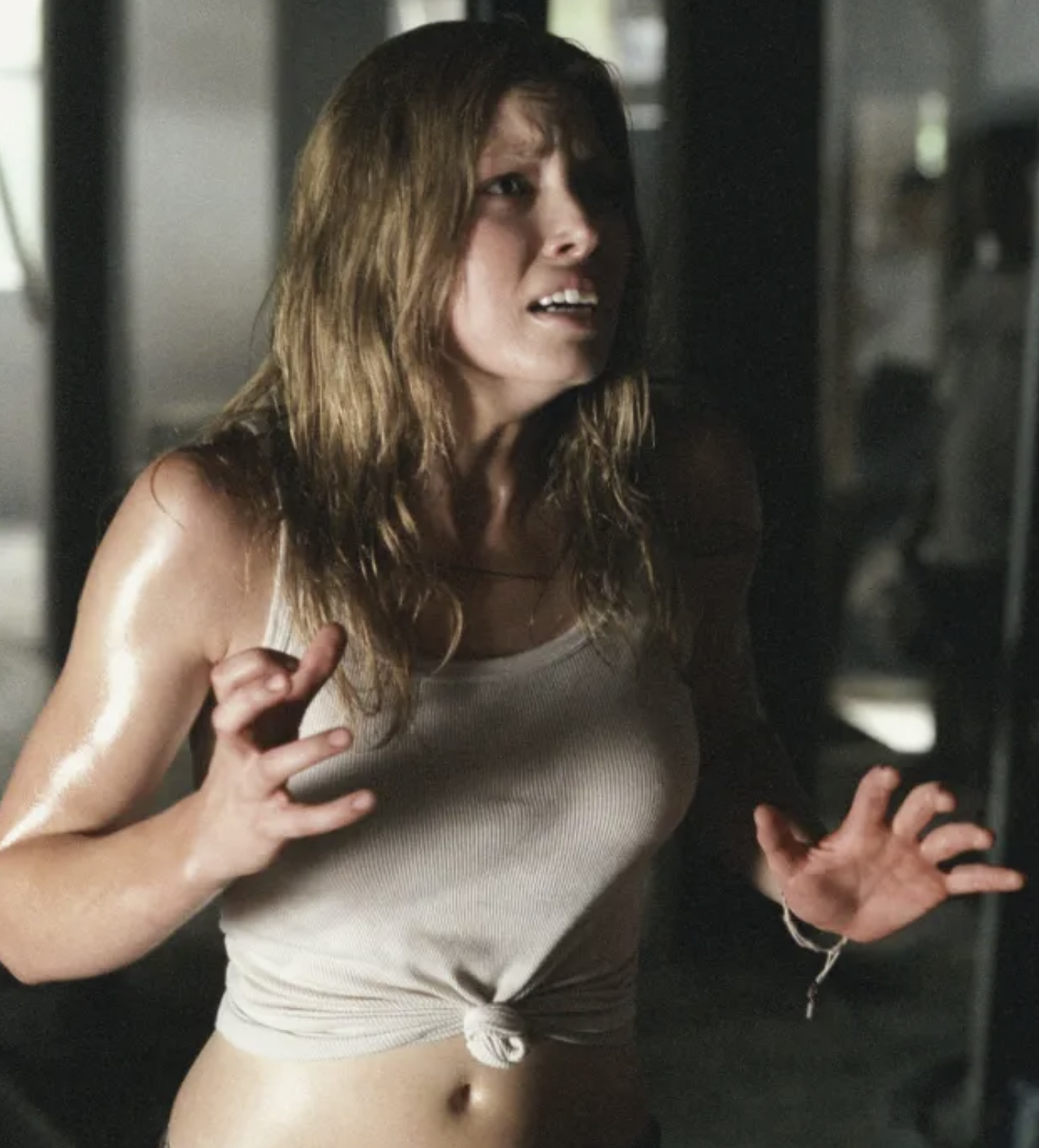
Asia Argento, cast as Detective Anna, is asked to carry the whole movie — which basically means being molested, tortured, drugged, hallucinating, and then slowly morphing into her own tormentor. This isn’t so much a role as it is a cry for help. Asia is talented, but here she’s treated less like an actress and more like a canvas for her father’s therapy session.
The result? Awkward. Uncomfortable. And not in the way Argento intended. Watching your daughter get manhandled on screen might be bold cinema in Dario’s head, but to the rest of us it’s just creepy Thanksgiving fodder: “Pass the gravy, Dad, and while you’re at it, maybe stop filming my simulated rape scenes?”
Alfredo: Worst Villain with the Worst Name
Thomas Kretschmann plays Alfredo Grossi, a rapist and murderer whose name sounds less like a predator and more like the guy who makes your fettuccine at Olive Garden. He’s meant to be terrifying, but with his greasy ponytail and Eurotrash fashion sense, he looks more like a nightclub promoter in Berlin circa 1992.
The movie wants us to believe Alfredo is so diabolical that he infiltrates Anna’s psyche and lives on inside her even after his death. Honestly, he barely convinces as a man who owns a functioning comb.
The Rape, the Murders, the Trauma… and the Yawns
Yes, The Stendhal Syndrome is grim. It’s full of brutality, sexual violence, and long stretches of Asia wandering around in a daze, trying to figure out whether she’s a victim, a survivor, or a killer. But it’s also slow. So slow. Imagine watching a snail inch across the Sistine Chapel while someone in the background mumbles Freud quotes. That’s the pacing.
Argento has always loved blending art and horror, but here the horror is flat and the art is just wallpaper. What should be shocking and surreal comes across as indulgent and dull. Even the gore feels restrained, like Argento had lost his taste for the red stuff and settled for beige.
The Big Twist: Alfredo Lives On (Sort Of)
The “twist” — if you can call it that — is that Anna’s trauma becomes so internalized she basically becomes Alfredo. She kills her friend Marie, offs her psychologist, and guns down Marco, all while insisting that Alfredo’s inside her, pulling the strings. It’s meant to be haunting, a meditation on trauma and identity. Instead it plays like Fight Club written by someone who fell asleep during Psych 101.
By the time Anna is wandering the streets confessing her crimes, you don’t feel horrified, you feel exhausted. The movie doesn’t end so much as it collapses, like its protagonist, in front of too much art.
Dario Argento: The Maestro Who Dropped His Baton
This film was supposed to be a comeback for Argento, who’d already started losing steam after Opera. Instead, it marked the point where his career began mutating into self-parody. Yes, the movie did well in Italy. Yes, it has its defenders who call it “experimental” and “psychologically daring.” But really, it’s just bloated, awkward, and tonally confused.
When Dario stages a scene where Asia wanders underwater, kissing a mechanical grouper, you can almost hear him whisper: “This is genius.” To everyone else, it looks like outtakes from Shark Tale.
Production “Fun” Facts
-
Bridget Fonda was originally considered for the lead. Lucky her, she dodged a bullet — or rather, a scalpel-wielding rapist.
-
The underwater fish Asia kisses? It broke right after filming. Probably out of shame.
-
This was the last feature for legendary cinematographer Giuseppe Rotunno, who went from Fellini and Visconti to this. Retirement must’ve looked like salvation.
Why It Doesn’t Work
-
The pacing: Glacial. It’s less horror than endurance test.
-
The concept: A killer exploiting art-induced fainting spells could be terrifying, but Argento never figures out how to make it scary instead of silly.
-
The family affair: Argento directing his daughter in scenes of sexual assault? That’s not “bold.” That’s therapy best left off camera.
-
The villain: Alfredo Grossi. Truly, nothing says “menacing” like sounding like a pasta special.
-
The ending: A weak rehash of themes Argento had already explored better in earlier films, like identity, madness, and obsession.
Final Judgment
The Stendhal Syndrome should have been a late-career masterpiece: Argento, back in Italy, armed with a bold concept and a great cinematographer. Instead, it’s a messy slog weighed down by family weirdness, flat scares, and a villain who looks like he manages a Euro rave.
Yes, it grossed a few million lira. Yes, some art-film diehards defend it. But for the rest of us, it’s the cinematic equivalent of staring too long at a velvet painting in a motel room: headache-inducing, vaguely embarrassing, and not worth the price of admission.