Tina Benko came up through the hard, unlit stairwells of American theater—the kind of places where the dressing rooms smell like dust and cold cream, and the audience sits close enough to catch your breath when the truth knocks the wind out of you. Born in Pittsburgh, she carried that steel-town toughness into a career that never looked for shortcuts or neon arrows. She built it brick by brick: Off-Broadway, classrooms, rehearsal rooms, small roles, strange roles, luminous roles. The kind of career that rewards endurance as much as talent.
The first thing you notice about Benko is her stillness—electric, coiled, the way a match holds fire before it’s struck. Directors love that. Actors fear it a little. It means she can take the air in a scene and fold it into something sharper, stranger, more alive.
The theatre built her—then she built the theatre back
For years she carved out spaces across New York stages, slipping in and out of characters like a master pickpocket. But 2013 was the year the room finally tilted her way: her performance as Jacqueline Kennedy Onassis in Jackie, Elfriede Jelinek’s demanding solo piece, earned her a Lucille Lortel nomination. One woman onstage—nothing to hide behind—yet she turned Jackie into something fractured and human, mythic and wounded all at once.
Then came Titania.
Julie Taymor cast Benko in A Midsummer Night’s Dream at Theatre for a New Audience, and she walked through the role like a queen wearing a crown of cracked starlight. For it she took home the St. Clair Bayfield Award, the kind given to actors who make Shakespeare feel like something dangerous again.
Benko didn’t relearn Shakespeare—she made him feel young.
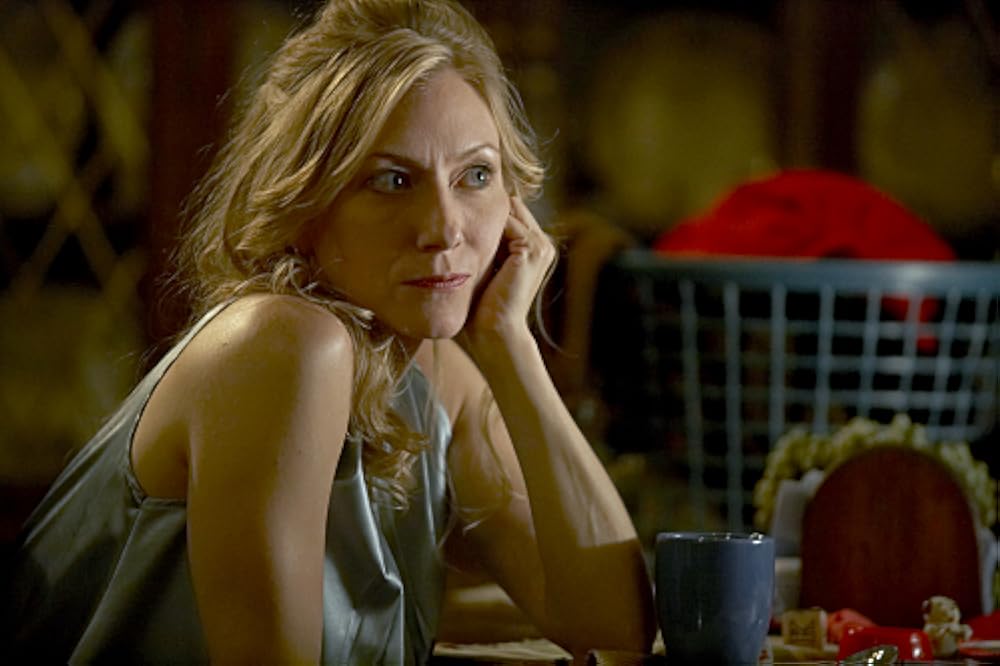
Carving out worlds on television and film
Hollywood came calling in careful, steady whispers. A scientist in The Avengers, a brittle society mother in The Greatest Showman, the pulse of downtown art-world defiance as Sandy Daley in Mapplethorpe, a caustic presence in Can You Ever Forgive Me? She showed up in The Kitchen, in Hot Air, in The Sound of Silence, in the indie hit The Adults where she played Christina with that trademark Benko blend of tenderness and unease.
Television was no different. The Good Wife, Flesh and Bone, Brotherhood, Turn: Washington’s Spies—she moved through each like a woman testing the walls for secret doors.
A teacher in the truest, most bruising sense
Some actors teach for the paycheck. Some for the respect. Benko teaches because she’s built that way, because the craft is a bloodstream she needs to share. At HB Studio—where generations of actors have either been broken or remade—and at Fordham University, she’s the kind of instructor who tells you the truth without sparing your feelings. She’ll hand you the tools but expects you to bleed on them.
She also gives her voice away when the work calls for it, narrating novels like Peter de Jonge’s Shadows Still Remain with that razor-edged cool that slips right into the ear.
A performer who moves like a rumor
Across three decades of work, Tina Benko has never once tried to outrun the material or overpower it. She’s not loud unless the role requires it. She’s not showy unless the character demands it. She’s that rare thing—an actress who knows how to vanish so completely into a part that you forget she’s there until suddenly she isn’t, and the scene feels emptier without her.
Her career is a long, steady burn, like a candle lit in a room you didn’t know was dark until she stepped into it.
