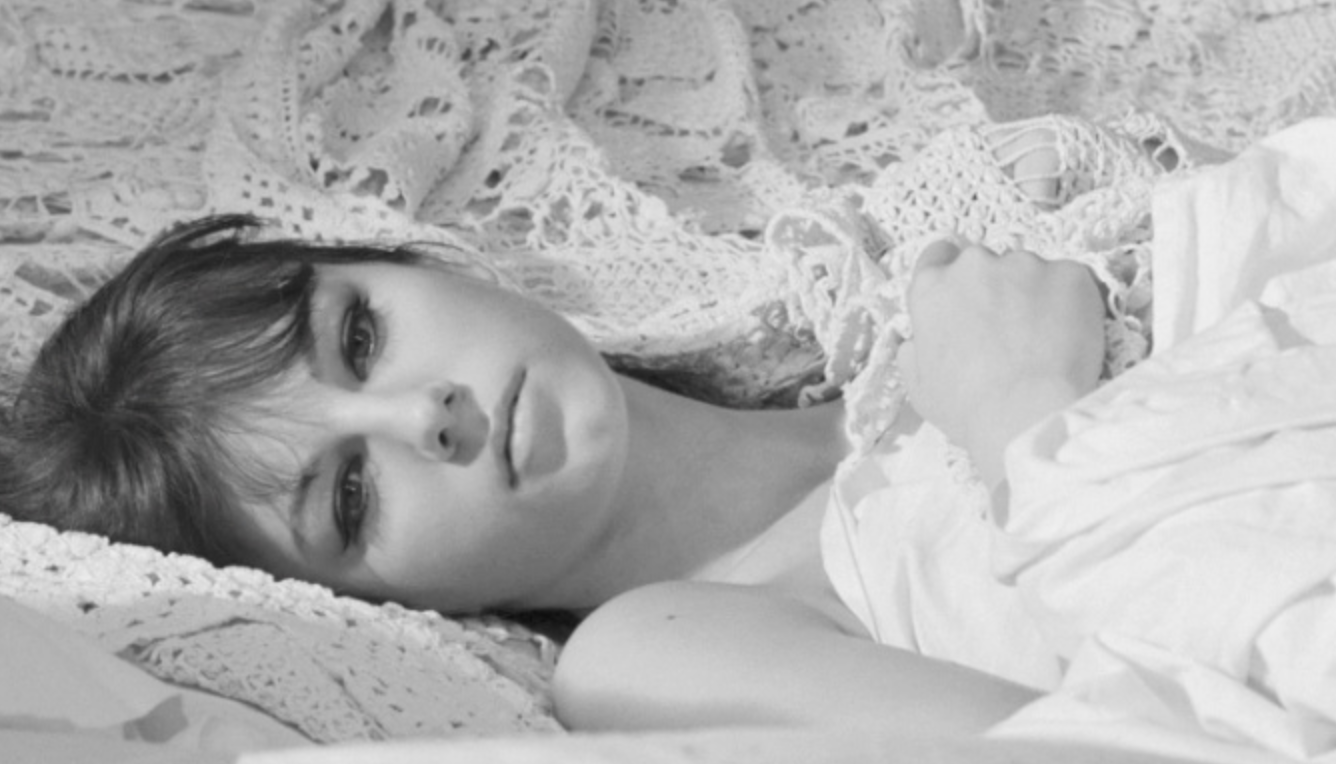
Agnes Ayres came into the world on April 4, 1892, born Agnes Henkel, a Midwestern girl with a face built for silent longing and a future she couldn’t have imagined if she’d tried. She was one of those classic early-Hollywood stories—found in a crowd scene like a stray spark from a struck match. No family connections, no inherited glamour. Just a working-class kid who stepped in front of a camera in 1914 because an Essanay Studios director saw something in the way she filled the frame, even when she wasn’t meant to be seen at all.
She moved to Manhattan with her mother, chasing work, chasing the dream that eats most whole. Fate intervened in the form of actress Alice Joyce—sleek, poised, already a star. Joyce spotted Ayres and felt some uncanny mirror-image connection. She helped her land the role of her sister in Richard the Brazen (1917), and that was the hinge on which the rest of her life swung open. Silent-era Hollywood chewed through hundreds of hopefuls every year, but every so often it plucked one out like a favorite cigarette—slender, burnable, promising a quick bright flame.
Paramount founder Jesse Lasky looked at Ayres and decided she was worth the investment. He gave her leads, gave her momentum, gave her the kind of attention that wasn’t entirely professional. Hollywood has always been a city of uneven trades; Ayres traded youth and beauty for roles, affection, opportunity. Lasky traded influence for proximity. And the machine kept rolling.
By 1920 she had heat. By 1921 she was incandescent.
Because that was the year The Sheik exploded onto screens. Rudolph Valentino—the era’s intoxicating fever dream in human form—played the desert lover. And Ayres played Lady Diana Mayo, the haughty English aristocrat snatched into the arms of danger and desire. It was melodrama, fantasy, and cultural nonsense, but it was big, and audiences consumed it the way starving people consume anything. Agnes Ayres became a name. A face. A walking advertisement for the intoxicating power of the exotic romance Hollywood was peddling.
She reprised the role in The Son of the Sheik in 1926, but by then something in the machinery had shifted. Stardom is a cruel landlord—rent always comes due. Lasky drifted. The studio’s affection cooled. And Ayres, like many actresses of the era, found herself alone on the tightrope between relevance and replacement.
She did strong work—Cecil B. DeMille cast her in The Affairs of Anatol, Forbidden Fruit, and The Ten Commandments. She had talent, presence, a face that could go cold or tender in a single frame. But Hollywood is a kingdom that eats its queens the moment they waver. And Ayres wavered.
In 1924, she married S. Manuel Reachi, a Mexican diplomat. They had a daughter, and for a brief stretch it seemed like she might carve a life outside the studio glare. But the marriage cracked apart in 1927, and the town she’d served so loyally didn’t soften the blow.
Then came 1929. The year the market crashed like a skyscraper crumbling in slow motion. Ayres lost her fortune—real estate, savings, security—all of it swept away like sand. She made her last significant film appearance that same year in The Donovan Affair, and when the curtain dropped, she found herself staring into the void of the Great Depression with no studio hand to steady her, no producer lover to defend her, no momentum left to salvage.
She turned to vaudeville, that great refuge for the fallen. The stage lights were harsher, the audiences rowdier, the pay smaller. But she worked. She hustled. She tried to claw her way back. By 1936 she returned to Hollywood, older, heavier, no longer the sleek leading lady the silent era adored. She tried for a comeback anyway. But the roles she got were uncredited, blink-and-miss-them scraps. Triumph never came. The studios didn’t want her anymore.
The slow slide into despair began.
By 1939 she lost custody of her daughter. Hollywood didn’t have space for a middle-aged woman with heartbreak etched into her bones. She was committed to a sanatorium—once a glamour queen, now a fading figure in a room built for sorrow.
On December 25, 1940—Christmas Day, the cruelest kind of irony—Agnes Ayres died of a cerebral hemorrhage at just 48. Weeks of illness had hollowed her out, and the world barely noticed her passing. The star who’d once ruled the desert sands beside Valentino slipped quietly into the shadows.
She was buried at Hollywood Forever Cemetery—the resting place of so many who glittered for a moment and then fell into the dark. Two decades later, in 1960, the industry granted her a star on the Hollywood Walk of Fame, a belated nod to a woman whose flame once burned hot enough to ignite fantasies across a nation.
Her daughter, Maria, would take a small role in East Side, West Side in 1949—one of those haunting generational echoes Hollywood specializes in.
Agnes Ayres mattered. She mattered to audiences, to studios, to Valentino’s legacy, to the mythology of silent-era romance. She was one of those actresses whose life story feels like an archetype: discovered by chance, elevated by beauty, undone by power, discarded by an industry that didn’t know how to love its women past 30.
She made her mark in the sand, and the sand—true to its nature—covered it.
But the film reels still flicker. And in them, she burns.