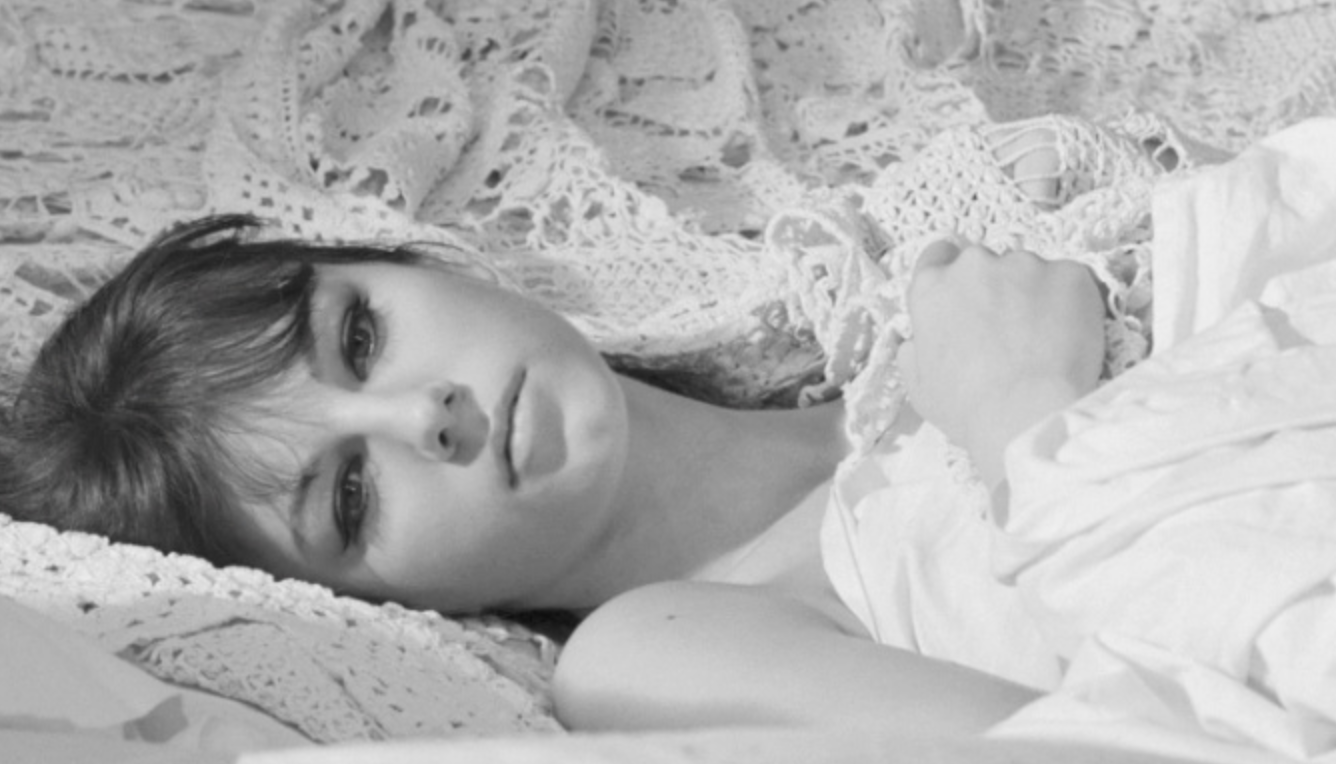
Joey Lauren Adams was born in North Little Rock, Arkansas, in 1968, which already sounds like a bad country song if you say it slow enough. Her dad, Lyle, owned a lumber yard. Her mom, Karen, took the kids to Park Hill Baptist Church, where they sang about heaven while the parking lot baked under Southern sun and pickup trucks. Two older siblings ahead of her, plenty of Jesus, and the kind of small-town air that tastes like you’re supposed to stay put and behave.
She grew up in Overbrook, a neighborhood with yards, school buses, and dreams just big enough to be dangerous. She went to North Little Rock Northeast High, class of ’86, the era of big hair and bigger lies about the future. Somewhere between Sunday sermons and the smell of cut lumber, she figured out she wanted out. Not just out of Arkansas, but out of regular life. Out of the script.
Australia cracked it open for her. One year as an exchange student on the other side of the planet, looking back at her life like it was something on TV with bad reception. She decided she wanted to act. Not a hobby, not a phase. She announced it, like a drunk throwing all his chips on red. The sensible people probably nodded and smiled and thought, she’ll grow out of it. She didn’t.
Hollywood doesn’t roll out carpets for Baptist girls from Arkansas. It gives you bit parts and sneers. Joey starts in television in ’91: Married… with Children, episode 100, “Top of the Heap,” and then the doomed spinoff of the same name. It’s the perfect entry point, really—trash comedy about losers in Chicago, taped in front of a live audience that laughs at anything. She’s working, though. That’s more than most.
Then 1993 kicks the door open a little wider: Dazed and Confused. Linklater’s stoned high school elegy. She plays Simone, one of those girls you remember from the parking lot days: smart, sharp, part of the swirl. It’s not a huge role, but that film ages better than most people. Somewhere in the haze of pot smoke and “alright, alright, alright,” there she is, already looking like she knows this whole circus is funny and kind of sad.
Same year, she pops up in Coneheads. SNL spinoff. She’s one of Connie Conehead’s friends. It’s a paycheck and a credit, nothing to write home about, but it keeps her in the game. That’s the trick early on: don’t die, don’t quit, don’t go back home just because the town pretends not to see you.
Two years later, Mallrats happens. Kevin Smith, comic-book nerd prince of the mid-90s, puts her in his sloppy, affectionate paean to malls and slackers. She’s Gwen. They finish the shoot and start dating in post. That’s Hollywood romance right there: you fall for the person you’ve already done three dozen setups with while some assistant director yells about lunch.
The relationship doesn’t last long, but it doesn’t explode either. It does something harder: it ends on good terms. Smith, because he’s that kind of sentimental bastard, writes his next movie out of the whole thing. Chasing Amy. Penance, valentine, thank-you note, confession—he called it all of that. He cast her in the middle of it. That’s brave or stupid or both.
In the meantime, she’s doing Bio-Dome—Pauly Shore, environmental slapstick, the cinematic equivalent of a nacho platter that’s been left out too long. She plays Monique, Shore’s girlfriend, which is exactly as chaotic as it sounds. You do those movies too. Not everything can be an emotional autopsy.
Then, 1997: Chasing Amy. Alyssa Jones. The so-called lesbian who falls for Ben Affleck’s Holden, the loud, fast-talking heart of the film. This is the part they either give you once in your life or never at all. She took it and set it on fire.
There’s this thing about her voice. Critics called it “sex-kitten-on-helium,” said it grated, said it hypnotized. The kind of voice that doesn’t fit into anybody’s idea of what a heroine is “supposed” to sound like. She knew it, too. Called it “not a normal voice,” knew it scared casting people. But in Chasing Amy that crooked little voice becomes a weapon. It laughs, it breaks, it sings, it cuts Affleck’s big dumb sincerity in half. She even wrote and performed “Alive” for the soundtrack, because why not bleed twice on the same film?
The movie hits a nerve. Every insecure guy who ever fell for a woman he didn’t understand saw himself in Holden. Every woman who’s had some guy try to “fix” her saw herself in Alyssa. She walks that whole tightrope—tough, hurt, funny, furious—and doesn’t fall once.
Awards show up. Chicago Film Critics and Las Vegas Film Critics both call her Most Promising Actress. The Golden Globes put her in the Best Actress in a Comedy or Musical category. For a minute there, this Baptist girl from Arkansas with the wrong voice is staring down the barrel of a big career. Most promising. That phrase is a curse, sometimes. Promise is just the gap between what they expected and what they’re willing to let you have.
Smith is cooking up Dogma next, big and weird and Catholic and profane. Originally, Joey’s supposed to play the female lead. Then the role goes to Linda Fiorentino. That’s Hollywood too: today you’re the muse, tomorrow you’re the cameo. She comes back around as Alyssa again in Jay and Silent Bob Strike Back and Clerks: The Lost Scene. Quick hits, nostalgia, an echo of that earlier fire.
Outside the Smith universe she keeps grinding. A Cool, Dry Place, 1998—she’s a vet’s assistant who falls for Vince Vaughn’s single dad. A small movie about small people trying not to screw up too badly. Big Daddy in ’99 is the big one in terms of box office: Adam Sandler’s love interest, sweet, patient, sane enough to throw his man-child act into relief. It’s not Chasing Amy, but it pays the rent and then some. Then come the smaller films—Beautiful, In the Shadows—the kind that open quietly, live short lives, and vanish into late-night cable and bargain bins.
There’s TV too. In 2005, she shows up on Veronica Mars for an episode, fitting right into that world of clever, damaged people who look fine until you tilt them.
Then, the turn.
In 2006 she writes and directs Come Early Morning. No stoner jokes, no big monologues about Star Wars, no goofy beach parties. Just Ashley Judd as a Southern woman drinking too much, sleeping with the wrong men, and trying to figure out how to live with herself in a town that already thinks it knows her. They shoot it on location in Little Rock. Back home. The hometown girl comes back not as a failure, but as the one calling “Action.”
The film gets into Sundance. That’s as close to canonization as independent film has. She also picks up the Women in Film Dorothy Arzner Directors Award, alongside Nicole Holofcener and Lian Lunson. That’s the industry’s way of saying, We see you. Don’t quit yet.
She directs a music video in 2009, Dashboard Confessional’s “Belle of the Boulevard.” Melancholy, pretty, fading neon emotions. She knows that territory; she’s lived there on and off for decades.
In 2010 she shows up on United States of Tara as Pammy, a barmaid who falls for Buck, one of Toni Collette’s alters. It’s a hell of a fit: a woman whose own voice has always been “too much” playing opposite a character whose very existence is about too much personality crammed into one body.
Somewhere in the middle of all this, she goes on Jay Leno back in ’97 and casually drops that she’s the niece of Grady Nutt, the Hee-Haw preacher with the twinkling eyes. It makes a crooked kind of sense. Southern showbiz bloodline on one side, Park Hill Baptist on the other. Joke and sermon stitched together.
Her personal life stays relatively quiet compared to the usual flaming wrecks. In 2014 she marries Brian Vilim, a cinematographer, at a friend’s farm in Maumelle, Arkansas. Not the Chateau Marmont, not a Malibu bluff—just a farm back home. Grass, sky, maybe some mosquitoes. It sounds like the sort of place you pick when you’ve seen what the rest of it looks like and you want something that doesn’t come with a wrap party.
Joey Lauren Adams is one of those people Hollywood never quite knew what to do with. Too weird a voice, too much soul for the cute-girlfriend parking space, too honest for slick. She had the big moment, the Golden Globe nod, the “next big thing” label, and then watched the usual machine turn to other faces. Instead of disappearing into bitterness or game shows, she wrote her own damn movie, directed it, and filmed it in the same rough light that raised her.
She’s the girl from the Baptist pews who ended up playing a queer woman who broke straight boys’ hearts and forced them to grow up. The woman with the helium-scratch voice who walked into the frame and made it sound like nobody else. The actress who turned her own almost-love story into art and then went on, stubborn and sideways, doing the work.
In a business full of plastic promises, she’s the real kind of story: the one that doesn’t fit, doesn’t explode, doesn’t win all the trophies, but keeps walking anyway.