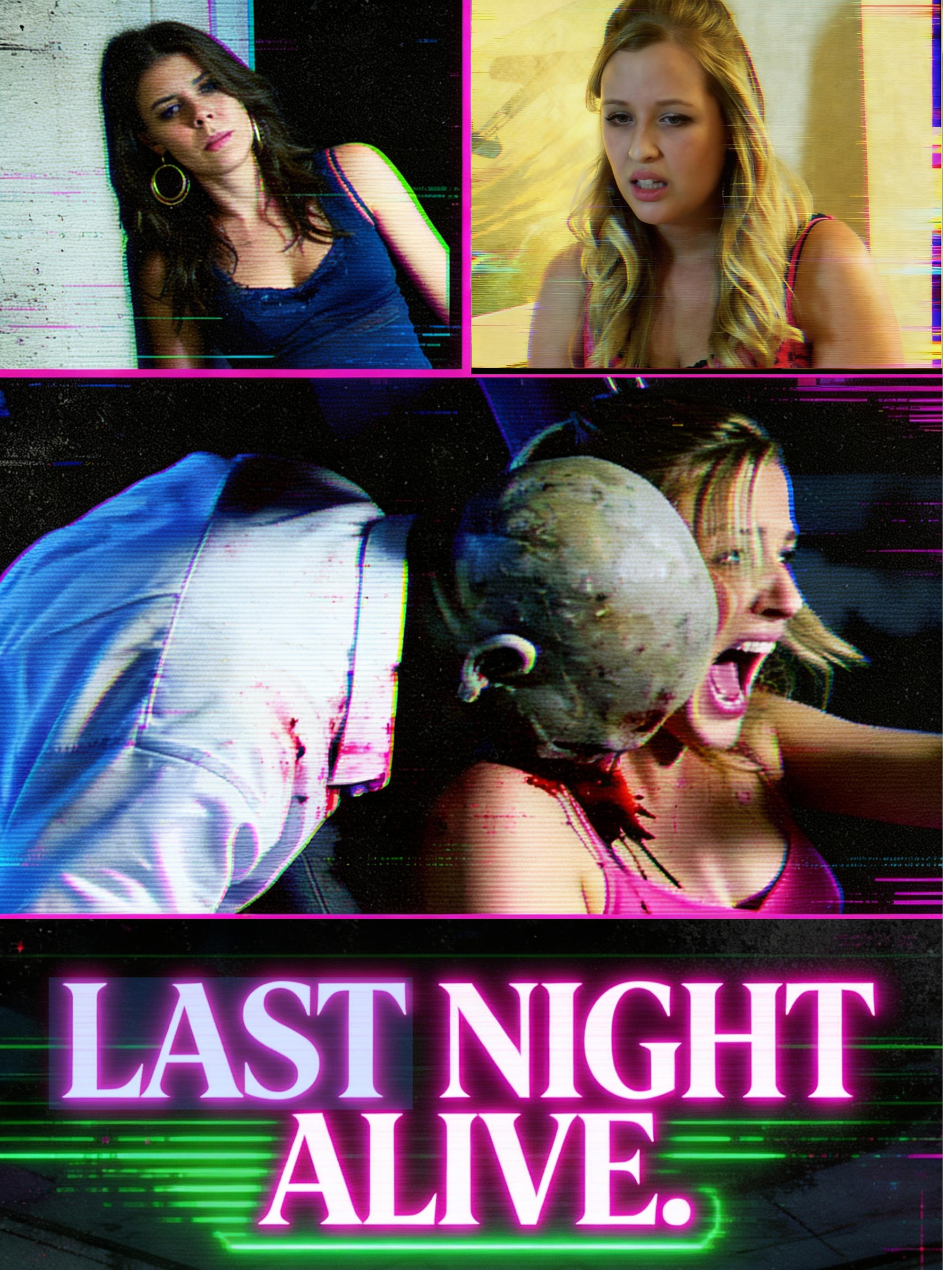
Tess exists in a harsh world filled with exploitation, unstable relationships, emotional dependency, and late-night choices that always seem to lead someplace darker than expected. Her relationship with Bud carries the feeling of two damaged people trying unsuccessfully to save each other while barely managing to survive themselves. There’s affection there, but also exhaustion, resentment, guilt, and the sense that both of them were drifting toward catastrophe long before the violence began.
As the film unfolds, Tess becomes less of a traditional horror protagonist and more of an emotional pressure point through which the audience experiences the unraveling nightmare. The growing horror surrounding Bud’s death and the strange outbreak consuming the city mirrors Tess’s own internal collapse. Her confusion, grief, paranoia, and desperation bleed into the atmosphere of the film itself.
What makes Tess particularly effective is that she never feels invincible. She makes mistakes. She panics. She spirals emotionally. Sometimes she freezes when she should act and acts when she should stop. But those flaws make her feel painfully human. In a genre filled with characters making artificial decisions simply to move the plot forward, Tess feels trapped by authentic fear and emotional damage.

Her bond with Jessica becomes the emotional backbone of the story. Unlike many horror friendships that exist purely for exposition, their relationship feels lived-in and believable — messy, loyal, sarcastic, and strained in ways that suggest years of shared survival. Jessica grounds Tess when she begins psychologically slipping, while Tess exposes the emotional vulnerability hiding beneath Jessica’s harder exterior.
Visually and emotionally, Tess embodies the film’s grim atmosphere. She moves through motel rooms, darkened streets, and collapsing situations like somebody trying to outrun both external horror and her own self-destruction simultaneously. Even before the supernatural elements fully emerge, Tess already feels haunted.