There’s a moment in See No Evil, Hear No Evil where you realize you’re not watching a comedy so much as a series of sight gags duct-taped to a corpse. The corpse is the script. The duct tape is made of fart jokes, pratfalls, and the lingering hope that Gene Wilder and Richard Pryor might somehow elevate the material by sheer force of personality. They don’t. Because they can’t. Not even Lazarus could resurrect this thing.
This was the third cinematic outing for Wilder and Pryor, a duo that once had genuine, chaotic magic. But by 1989, the sparks were gone, replaced by a cynical studio exec’s idea of what “hilarious” looks like when one guy is blind and the other is deaf. It’s a movie where the entire joke is, “Hey, wouldn’t it be wacky if these two disabled guys accidentally got wrapped up in a murder plot and had to stumble through it?” Spoiler: it’s not.
Wilder plays Dave, a blind man who runs a newsstand—because sure, why not put the blind guy in charge of the most visually-oriented business possible. Pryor plays Wally, a man who lost his hearing at age eight but somehow speaks fluent, unaccented English with comedic timing so perfect it might make Beethoven rise from the grave and shout “bullshit.” They meet, they bond, and through a series of wildly contrived events, they get framed for murder and must prove their innocence while evading the cops and outwitting the bad guys.

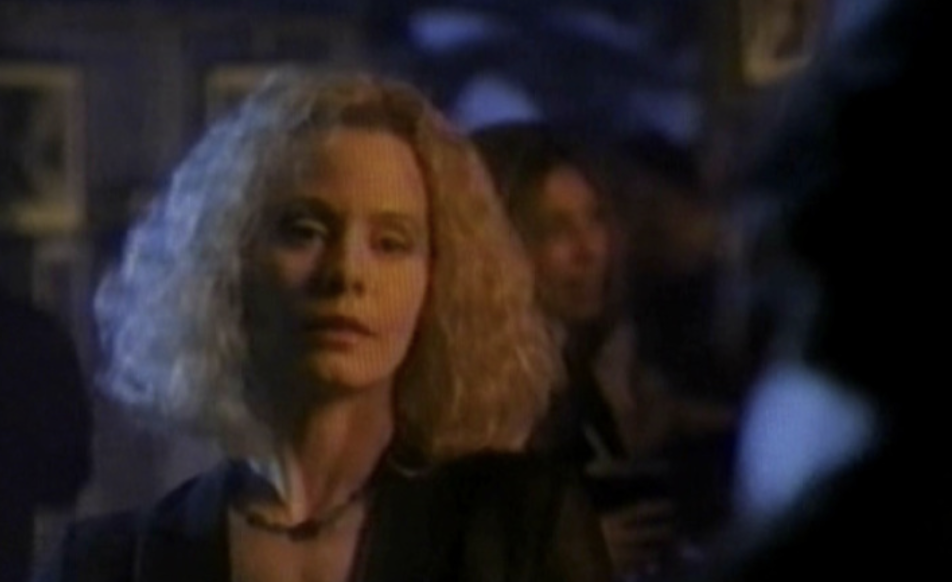
The bad guys include Kevin Spacey, in one of his early roles, and Joan Severance, whose job is to wear tight clothes and shoot people. She’s the kind of villainess who walks into a scene like she’s lost in a perfume commercial but decides to commit felony assault anyway. Every time she shows up, you can hear the director whispering, “Be sexy. No, sexier. Just, like, point a gun and pout. That’s the whole vibe.”
Let’s talk about the jokes. Because the jokes are the real crime here. Almost every single one revolves around the same tired punchline: blind guy can’t see, deaf guy can’t hear, and together they’re somehow worse than one functioning human. Imagine a whole film constructed from bloopers that didn’t make the cut in a Three Stooges tribute show, and you’re halfway there. It’s a non-stop barrage of bumped heads, missed signals, “he said what?” routines, and scenes where someone grabs someone else’s crotch by mistake—because apparently, nothing says comedy like unwanted groping in public.
And when the film tries to be heartfelt? Dear God. There are slow, reflective moments meant to show us how much Dave and Wally “need” each other—like they’re some tragic Hallmark version of The Odd Couple. These bits land with all the emotional grace of a bowling ball to the kneecap. You don’t feel charmed—you feel conned.
Gene Wilder, bless his tortured, frizzy-haired soul, gives it everything he’s got. He mugs, he flails, he shouts lines like he’s trying to revive the dead career of the script itself. Richard Pryor? Well, you can tell the man was in pain. Literally—he was battling multiple sclerosis during production, and you can feel it in his performance. He tries to bring that manic spark, that edge he had in Silver Streak or Stir Crazy, but here? He’s phoning it in from a disconnected landline.
The real tragedy is that these two legends deserved better. They had chemistry. They had rhythm. They had history. But in See No Evil, Hear No Evil, they’re like two jazz musicians forced to play kazoo duets while being slapped in the face by a clown. You want to laugh because of who they are, not because of what they’re doing. That’s not comedy. That’s pity.
Final Verdict:
See No Evil, Hear No Evil is the cinematic equivalent of slipping on a banana peel and then realizing you’re actually in a pit of snakes. It’s loud, frantic, and desperate—like a clown crying behind his makeup while being chased by a guy with a pie. You don’t laugh. You wince.
1.5 out of 5 stars.
One star for the ghost of what Wilder and Pryor used to be. Half a star for Joan Severance, who looked great and managed to fire a gun without rolling her eyes. The rest of this movie should be locked in a sensory deprivation tank and left to quietly fade from memory.